
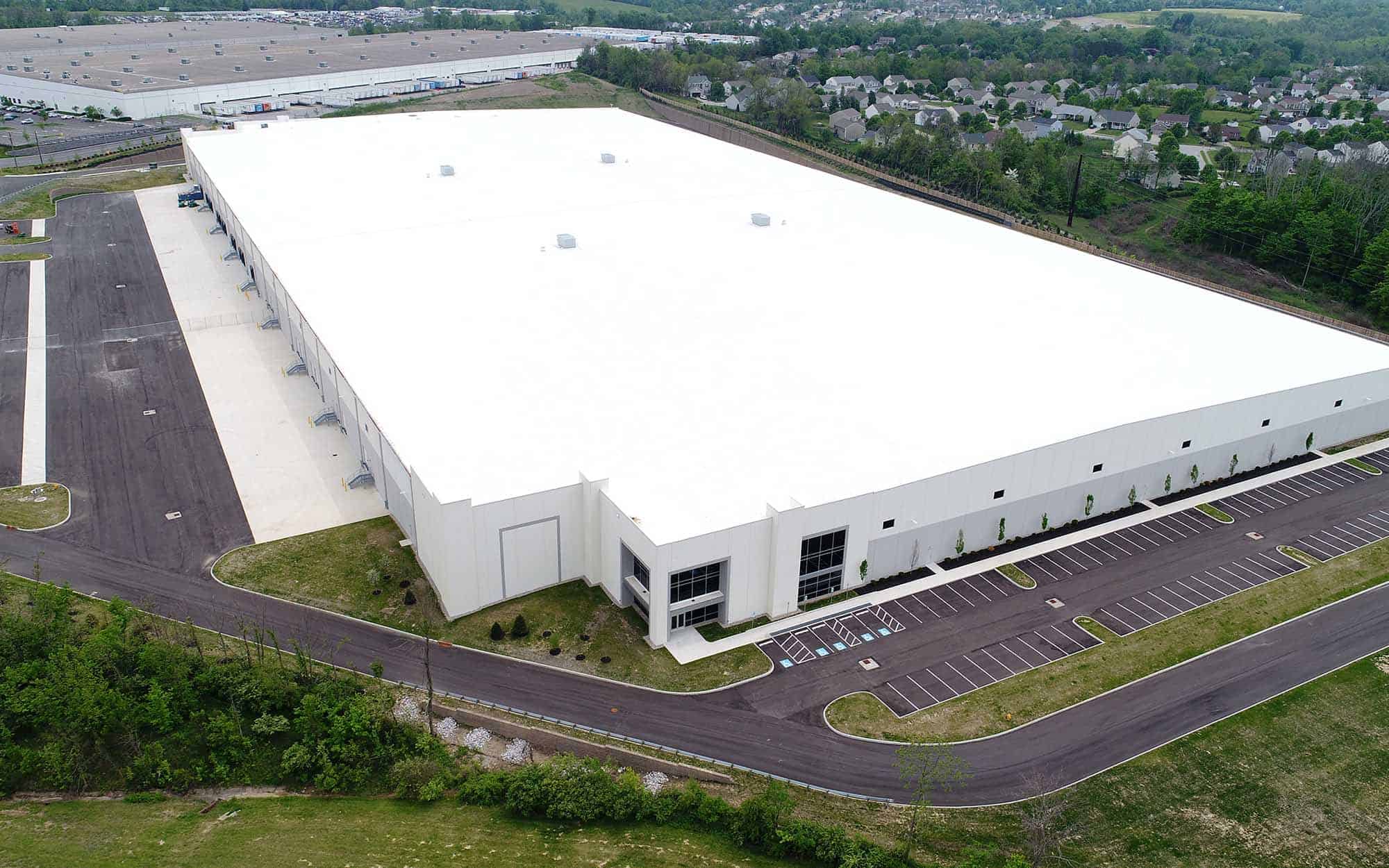
Distribution Center Roofing.
Distribution Center Roofing support in New Orleans, LA, with documented inspections, written scopes, and practical roof planning for commercial properties.
What this roof work solves
Distribution Center Roofing in New Orleans should begin with a documented roof walk. The first job is to identify active water entry, drainage problems, membrane condition, edge details, rooftop equipment conflicts, and weather exposure before a price or schedule is discussed.
For commercial owners, the useful answer is rarely a one-line recommendation. The roof file should explain the work area, the reason for the scope, the access constraints, and the next maintenance decision.
How the scope is built
The scope is geared to building use, roof age, visible defects, and the cost difference between immediate repair and longer-range planning. When repair is enough, the work stays focused. When replacement or recover planning is the responsible move, the reasoning is written plainly.
Each finished project should leave behind before-and-after photos, service notes, and follow-up items so the owner keeps a record for future inspections, budgeting, and vendor conversations.
CenterPoint Intermodal Center at the Port of New Orleans, the I-10 East distribution corridor, I-. Charles Parish, and the I-510 connector linking the Port's river and Gulf Outlet terminals. Distribution centers in this market are large-footprint, continuously operating buildings in open-terrain wind-uplift zones where the Gulf Coast hurricane environment demands engineering rigor that generic specifications do not provide.
New Orleans is one of the five busiest port cities in the United States, and the distribution-center real estate that supports the Port of New Orleans's throughput represents a major segment of the commercial roofing market in this metro. CenterPoint Intermodal Center, the approximately 1,300-acre intermodal facility developed adjacent to the Port of New Orleans at the junction of the Mississippi River and the Inner Harbor Navigation Canal, houses large-footprint distribution and warehousing buildings at the direct intersection of maritime, rail, and truck logistics.
The I-. Tammany Parish line holds one of the highest concentrations of large-footprint distribution buildings in the Gulf South. These buildings carry Exposure C open-terrain ASCE 7 wind designations that produce among the highest perimeter and corner pressure coefficients of any commercial building type in the New Orleans metro, and their post-Katrina and post-Ida damage histories show it. I-. Charles Parish and the I-510 connector to the Port's Gulf Outlet facilities extend the distribution corridor into the west bank and the Industrial Canal zone, adding additional building inventory at similar wind-exposure conditions.
Distribution-center roofing in New Orleans is not simply large-scale warehouse roofing. The logistics complexity of a 24/7 intermodal facility, inbound rail, outbound truck, cross-dock operations running on timed windows, makes production coordination more demanding than a standard distribution warehouse. The open-terrain exposure and the hurricane-prone-region wind-uplift classification make membrane engineering more demanding. Both have to be solved simultaneously.
Open-Terrain Wind-Uplift Engineering for Port-Adjacent Facilities
Distribution centers adjacent to the Port of New Orleans and along the I-510 Industrial Canal corridor carry Exposure C or D wind designations under ASCE 7. On a 400,000 sq ft distribution center with Exposure C designation, the corner and perimeter pressure coefficients drive a full-adhered membrane specification for Risk Category II buildings: mechanically attached systems in open-terrain exposure at this building footprint size have a documented perimeter-failure history in hurricane events. We run the ASCE 7 wind-uplift calculation for every distribution center project and document the design before contract signing.
Edge metal specification on Port-adjacent distribution centers requires particular attention. The FM 4435 and ANSI/SPRI ES-1 edge metal standards were tightened after post-Katrina and post-Ida documentation of perimeter edge failure on large-footprint buildings in open-terrain exposure. Lightweight aluminum edge metal that meets minimum code but not FM-rated performance is the most common perimeter failure initiator we find on distribution centers that have come through a Gulf Coast wind event without full roof loss. Every distribution center replacement we specify includes FM-rated edge metal with documented clip spacing in the closeout file.
CenterPoint Intermodal and the Port's logistics buildings run continuous operations driven by vessel arrival schedules, rail-cut windows, and truck appointment systems. Roofing production on these facilities requires coordination with the facility's operations management at a level that most commercial roofing contractors are not equipped to provide: daily production zone documentation, crane and equipment placement coordinated with container-movement corridors, and same-day dry-in discipline that does not yield to schedule pressure from the contractor side.
We require a pre-production coordination meeting with the facility's operations team before mobilization on every intermodal or Port-adjacent distribution center project. That meeting documents the daily production zone plan, the material staging location, the equipment access corridors, and the dry-in commitment that governs daily section size. The production zone plan is then shared with facility operations management daily throughout the project so that crane movements and section closures can be coordinated with the facility's own scheduling system.
Cold-Chain and Refrigerated Distribution Facilities
The I-10 East and I-310 distribution corridors include a significant proportion of cold-chain facilities: refrigerated and frozen-storage distribution buildings that present additional roofing constraints. Cold-storage buildings cannot tolerate roof-section openings overnight in any season in New Orleans: even in winter, the exterior-to-interior temperature differential on a refrigerated building with an exposed roof section produces condensation and moisture conditions that compromise both the interior environment and the replacement membrane installation.
We scope cold-storage distribution center projects in daily sections that are sized to be fully sealed and insulated before the crew departs each evening. This limits daily section size compared to an ambient-temperature warehouse, but it is non-negotiable on refrigerated facilities. Cold-storage insulation specifications in New Orleans also require attention to vapor-retarder placement: the exterior humidity in this climate means the vapor drive can reverse seasonally in ways that a standard non-refrigerated building does not experience.
Can you work on active Port of NOLA distribution facilities?
Yes. We coordinate production zones with facility operations management before mobilization, document the daily zone plan and dry-in commitment with the facility team, and stage all equipment in designated corridors that do not conflict with container movement or truck access. Pre-production coordination meetings with Port-adjacent facility operations are a required part of our project initiation process.
Questions to settle early
Where is the risk?
Locate leaks, wet-insulation indicators, open seams, weak flashing, and drainage restrictions across the roof.
What can wait?
Separate immediate work from maintenance items that can be tracked for the next service window.
What should be funded?
Build a practical recommendation for repair, coating, recover, or replacement planning.
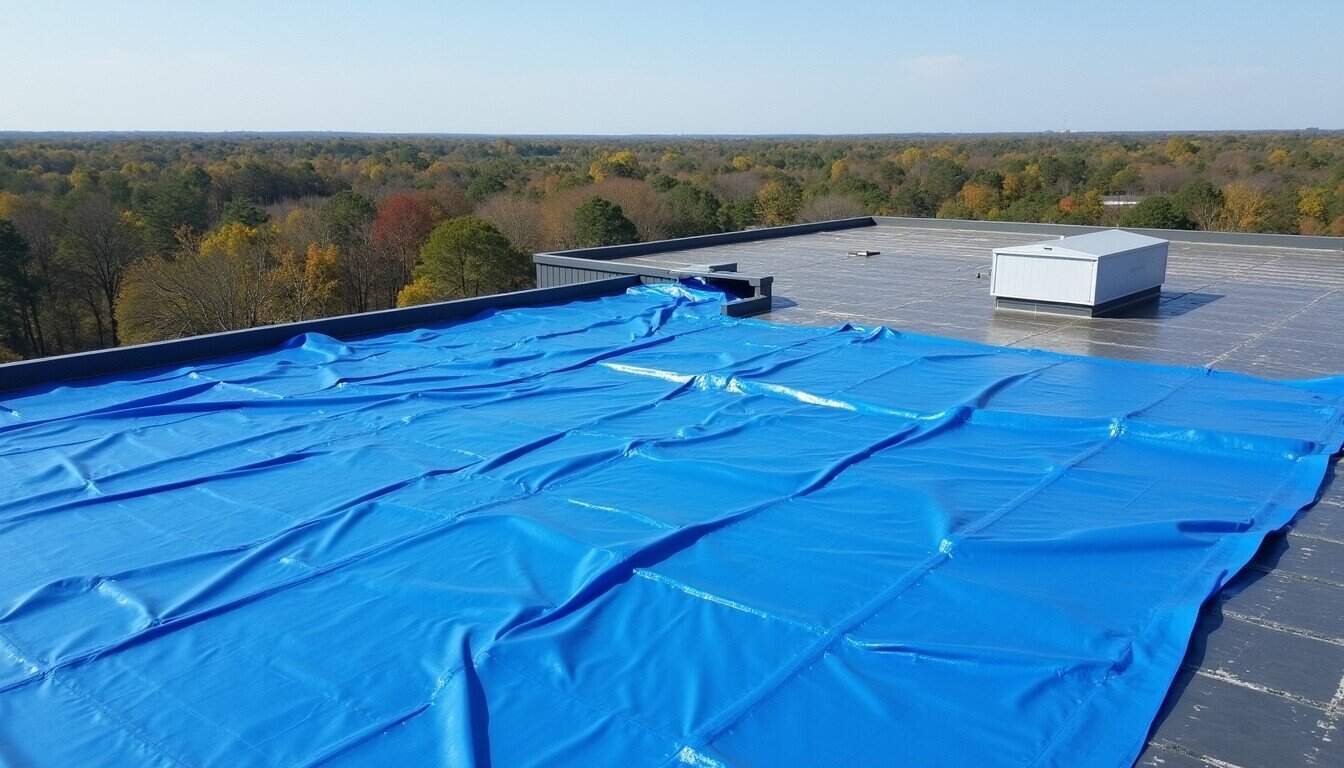
Need help with distribution center roofing?
Send the building address, known roof age, access notes, and what changed. We will respond with the right next step.