
Commercial Roof Inspections.
Commercial Roof Inspections support in New Orleans, LA, with documented inspections, written scopes, and practical roof planning for commercial properties.
What this roof work solves
Commercial Roof Inspections in New Orleans should begin with a documented roof walk. The first job is to identify active water entry, drainage problems, membrane condition, edge details, rooftop equipment conflicts, and weather exposure before a price or schedule is discussed.
For commercial owners, the useful answer is rarely a one-line recommendation. The roof file should explain the work area, the reason for the scope, the access constraints, and the next maintenance decision.
How the scope is built
The scope is tuned to owner documentation, building use, roof age, visible defects, and the cost difference between immediate repair and longer-range planning. When repair is enough, the work stays focused. When replacement or recover planning is the responsible move, the reasoning is written plainly.
Each finished project should leave behind before-and-after photos, service notes, and follow-up items so the owner keeps a record for future inspections, budgeting, and vendor conversations.
New Orleans commercial roofs require a two-cycle inspection cadence driven by the Gulf Coast storm calendar, not a generic annual visit. May-June inspections document pre-hurricane-season condition. September-October surveys capture post-storm damage and the moisture intrusion that subtropical humidity converts into interior damage weeks after a storm passes.
Most commercial roof inspections in the New Orleans metro treat the storm calendar as incidental. An inspector walks the roof once a year, produces a one-page form with a handful of unlabeled phone photos, and the building owner signs off: only to discover after the next named storm that the documentation does not support an insurance claim, does not satisfy the manufacturer's warranty maintenance requirement, and does not tell the facility manager which sections were deteriorating before the event versus which damage is storm-attributable.
Our inspection protocol is based on the reality of the Gulf Coast storm season. Pre-hurricane-season inspections in May and June document the current condition of every roof section before storm exposure: perimeter edge metal, parapet flashings, drain and scupper conditions, and field membrane status. That documented baseline is the evidentiary foundation if a storm causes damage and a claim needs to distinguish pre-existing deterioration from event-related loss. Post-hurricane-season surveys in September and October capture what the storm season actually did, not just visible damage, but the moisture patterns that subtropical humidity drives into insulation weeks after a roof takes on water.
Every inspection on every building we maintain produces a zone-keyed photo log with scope columns, monitor, repair-now, and budget-for-replacement, at the zone level. That format is directly usable for warranty maintenance documentation, for capital planning, and for adjuster-ready claim support in the event of a named storm. A vague paragraph summary is not.
Pre-Hurricane-Season Inspection: May and June
The pre-hurricane-season inspection window runs May and June, before the Atlantic hurricane season peaks from August through October. This inspection cycle serves three purposes. First, it establishes a documented baseline of roof condition before storm exposure: every zone photographed, every flashing detail logged, every drain and scupper condition noted. If a storm causes damage later in the season, the dated May or June inspection record is the before-event documentation that an insurance adjuster needs to assess storm-attributable loss versus pre-existing deterioration.
Second, the pre-hurricane inspection identifies and allows time to address vulnerabilities before storm season opens. Perimeter edge metal fastening that has worked loose over the winter, parapet-to-membrane transition flashings showing separation, adhesive bond weakening at perimeter zones, pitch pan sealants that have dried and cracked: these are the deficiencies that convert a moderate wind event into an open building. Identifying them in May leaves time to repair before June 1 without emergency-pace premium cost.
Third, for buildings with active manufacturer warranties, the pre-hurricane inspection is often the annual maintenance event that the warranty requires to stay in good standing. Documented, zone-keyed maintenance by a credentialed contractor filed with the manufacturer's warranty system before storm season prevents the claim-at-the-worst-time scenario: a storm-damaged roof where the owner discovers the warranty was technically lapsed because the annual maintenance was not documented.
Post-Storm Survey: September and October
Post-storm surveys in September and October do more than document visible storm damage. In New Orleans's subtropical climate, dew points above 75°F from June through September, annual rainfall above 60 inches, moisture that enters a commercial roof assembly during a storm event does not dry out between subsequent rain events. What looks like a minor wind-driven infiltration event on September 1 can be 2,000 square feet of wet insulation by October 1, with the moisture wicking laterally through the insulation stack in every direction from the original entry point.
Our post-storm surveys are scoped to detect this secondary moisture migration, not just the visible physical damage. Where a visual inspection suggests active moisture intrusion based on membrane tenting, insulation ridging, or drain areas with soft substrate underfoot, we escalate from visual inspection to moisture survey, and we document the reason for escalation before we schedule additional work. For buildings where a storm event occurred, we note which observations are consistent with storm-attributable damage versus pre-existing conditions identified in the prior May or June inspection record.
The October survey also identifies membrane degradation driven by the sustained surface temperatures of the New Orleans summer. Roof surface temperatures on dark membranes in July and August exceed 150°F in the New Orleans metro. Membrane that was in acceptable condition in May can show accelerated seam stress, UV surface erosion, or modified bitumen surface cracking by September. These conditions are documented in the fall survey and scored against the scope columns: monitor, repair-now, or budget-for-replacement, so the capital plan going into the following year reflects actual condition rather than prior-year assumption.
Portfolio and Large-Footprint Building Considerations
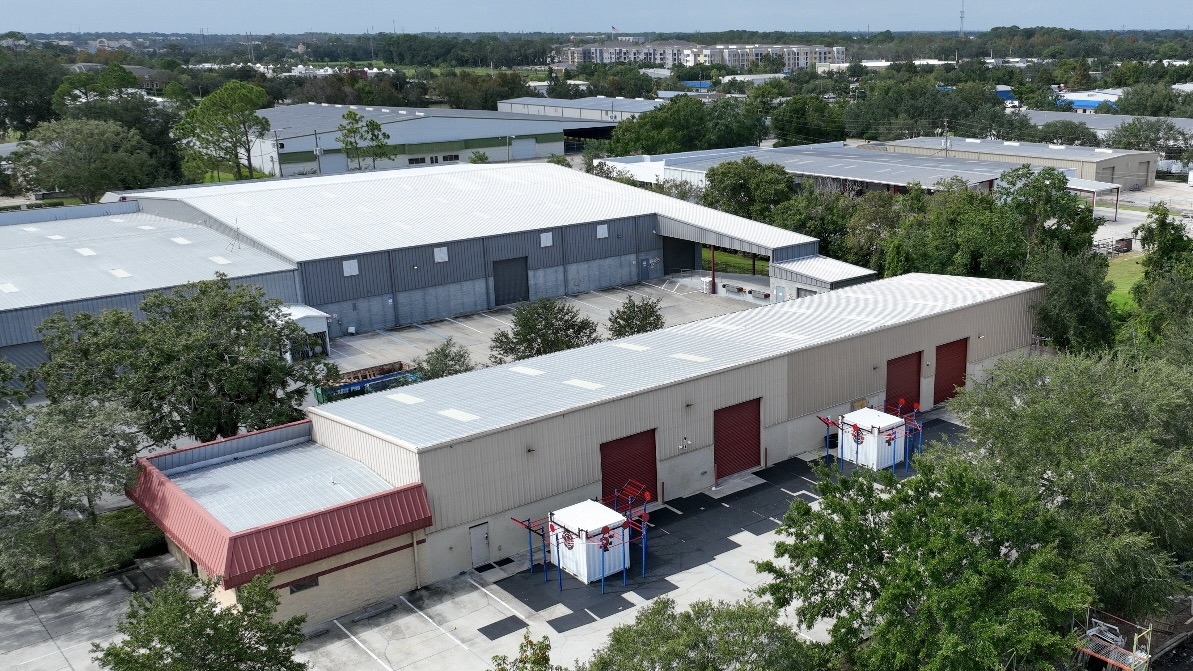
Large commercial building portfolios in New Orleans, institutional campus owners like Ochsner Health across their Orleans and Jefferson Parish facilities, Tulane University's mixed-use and academic campus buildings, and Port of New Orleans terminal and warehouse structures on the river corridor, face a compounding documentation challenge. Multiple buildings, multiple membrane types and ages, multiple warranty programs, and a storm season that can move several buildings to emergency status simultaneously.
Questions to settle early
Where is the risk?
Locate leaks, wet-insulation indicators, open seams, weak flashing, and drainage restrictions across the roof.
What can wait?
Separate immediate work from maintenance items that can be tracked for the next service window.
What should be funded?
Build a practical recommendation for repair, coating, recover, or replacement planning.
Need help with commercial roof inspections?
Send the building address, known roof age, access notes, and what changed. We will respond with the right next step.