
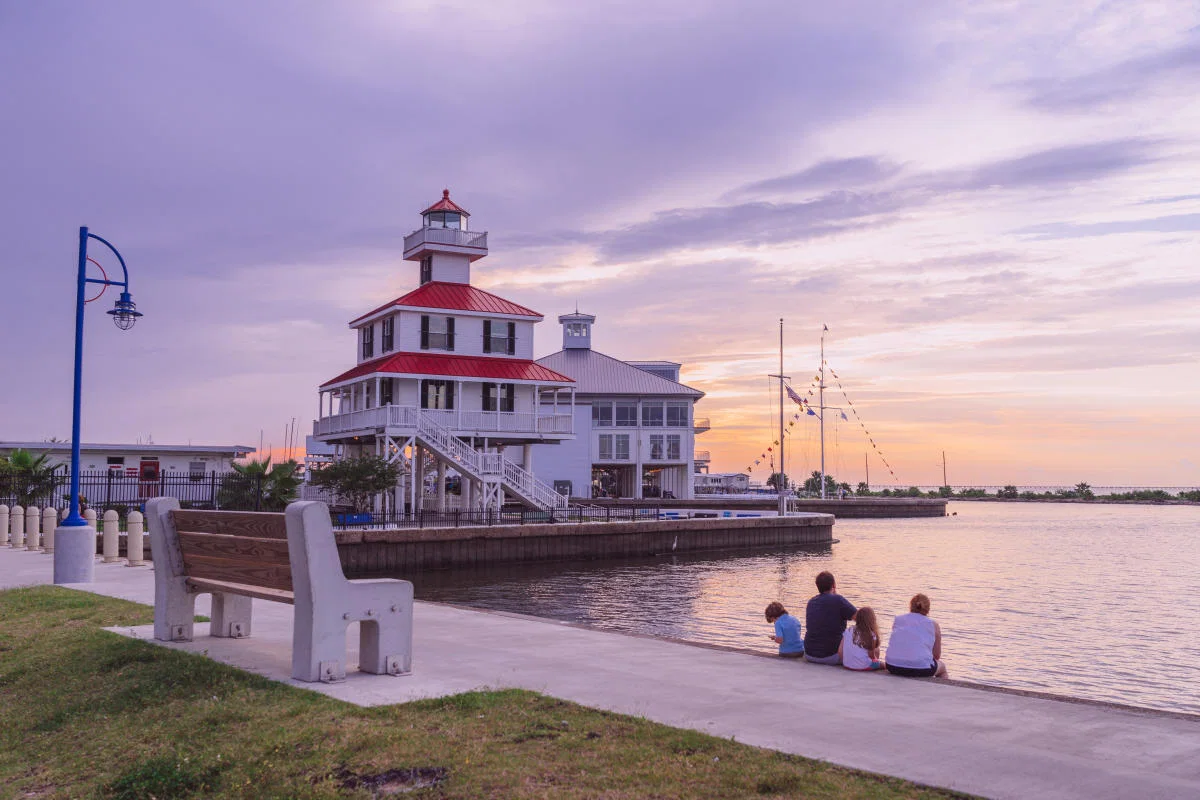
Commercial Roofers in Lakeview.
Commercial roofers serving Lakeview. should document leak sources, wet insulation, drainage, edge details, penetrations, and repair history before recommending a scope. Commercial Roofers New Orleans provides commercial roof inspections, repairs, maintenance, storm response, and replacement planning in Lakeview, LA.
What this roof work solves
Commercial Roofing in Lakeview in New Orleans should begin with a documented roof walk. The first job is to identify active water entry, drainage problems, membrane condition, edge details, rooftop equipment conflicts, and weather exposure before a price or schedule is discussed.
For commercial owners, the useful answer is rarely a one-line recommendation. The roof file should explain the work area, the reason for the scope, the access constraints, and the next maintenance decision.
How the scope is built
Lakeview roof work is planned around site access, traffic, tenant schedules, drainage, and the weather exposure that shapes that corridor. When repair is enough, the work stays focused. When replacement or recover planning is the responsible move, the reasoning is written plainly.
Each finished project should leave behind before-and-after photos, service notes, and follow-up items so the owner keeps a record for future inspections, budgeting, and vendor conversations.
Lakeview was among the most extensively rebuilt neighborhoods in post-Katrina New Orleans: nearly the entire commercial building stock was rebuilt or substantially renovated between 2007 and 2015. That rebuild wave is now completing its first full lifecycle, and the buildings are entering reroof and major maintenance territory simultaneously.
Lakeview's geographic position, bordered by the 17th Street Canal to the west, Lake Pontchartrain to the north, and the Orleans-Jefferson Parish line, shapes the wind-exposure environment for every commercial building in the district. The lakefront proximity means that commercial buildings along the northern Lakeview corridors: Robert E. Lee Boulevard approaching the lake, the Veterans Memorial Boulevard frontage: carry open-water exposure characteristics during Gulf hurricane events. Post-Katrina wind-uplift failures in this area during Ida's 2021 passage revealed that a portion of the post-Katrina rebuild roofs were specified to Exposure B assumptions rather than the Exposure C conditions that the lakefront position warrants.
The Lakeside Hospital campus: Ochsner Medical Center's Lakeview campus on Robert E. Lee Boulevard: is the largest institutional commercial roof footprint in the district. Healthcare facilities in Louisiana carry Risk Category III designations under ASCE 7, meaning they must We have experience with the infection-control, hot-work, and documentation requirements that healthcare facility roofing demands.
Lakeview flooded to depths of Canal breach in 2005. The commercial buildings that survived structurally were gutted and rebuilt; those that did not survive were cleared and replaced. The rebuild wave produced a concentrated vintage of commercial buildings: a large fraction of Lakeview's current commercial stock was built or substantially renovated within a five-year window from 2008 to 2013. That concentration means a significant number of Lakeview commercial buildings are now reaching the end of their first post-Katrina roof system's useful life at roughly the same time.
The financial context for Lakeview's commercial rebuild was shaped by Road Home program funding, SBA disaster loans, and private insurance settlements: funding sources that, in many cases, imposed cost constraints that pushed specifications toward minimum-code rather than best-practice. We have found that a meaningful portion of Lakeview's post-Katrina commercial roofs were installed with 45-mil single-ply systems and standard mechanical attachment patterns that do not We offer wind-uplift attachment audits specifically for the Lakeview post-Katrina inventory.
Healthcare Campus and Medical-Office Buildings
The Ochsner Lakeview campus on Robert E. Lee Boulevard requires a separate project-management protocol for any roofing work adjacent to occupied clinical or patient-care areas. Infection control plans, hot-work permits, and daily containment inspections are standard requirements on healthcare campuses; odor-generating adhesive applications must be scheduled away from air-intake locations and during window periods identified by the facility's infection-control officer. We coordinate with Ochsner Lakeview facilities management on every project phase.
Buildings within three to four blocks of Lake Pontchartrain in Lakeview are in an open-terrain wind exposure corridor during hurricane events. The open-water fetch from the lake produces wind-pressure profiles at lakefront buildings that are materially different from the sheltered-urban conditions that apply to interior-district commercial buildings. The ASCE 7 exposure category determination for lakefront buildings in Lakeview is a project-specific calculation, not a blanket district designation, because the effective exposure at any given building depends on its distance from the lake and the surrounding structure density.
We run the exposure category determination and wind-uplift design calculation for every Lakeview commercial replacement project. For buildings where the lakefront exposure warrants an Exposure C designation, full-adhered membrane systems are the standard specification: the fastener withdrawal risk that characterizes mechanically attached system failures in Katrina and Ida post-storm surveys is not an acceptable risk for buildings in open-terrain lakefront positions.
Was my post-Katrina Lakeview building reroofed to current wind-uplift code?
Not necessarily. The post-Katrina rebuild from 2007 to 2013 involved a range of specification quality, and a portion of Lakeview's commercial roofs were installed under cost constraints that pushed specifications toward code minimum rather than best-practice for lakefront exposure. A wind-uplift attachment audit, pulling the original permit documentation and inspecting the actual fastener pattern, is the only way to verify. We offer this audit as a standalone service and provide a written finding with a repair or replacement recommendation.
Do you work on the Ochsner Lakeview campus?
Yes. Healthcare campus work requires coordination with the facility's infection-control officer, hot-work permit documentation, and off-hours scheduling for operations adjacent to patient-care areas. We produce the infection-control plan, submit for hot-work permits, and coordinate the production schedule with Ochsner Lakeview facilities management before mobilization.
How does lakefront proximity affect the roofing specification?
Questions to settle early
Where is the risk?
Locate leaks, wet-insulation indicators, open seams, weak flashing, and drainage restrictions across the roof.
What can wait?
Separate immediate work from maintenance items that can be tracked for the next service window.
What should be funded?
Build a practical recommendation for repair, coating, recover, or replacement planning.
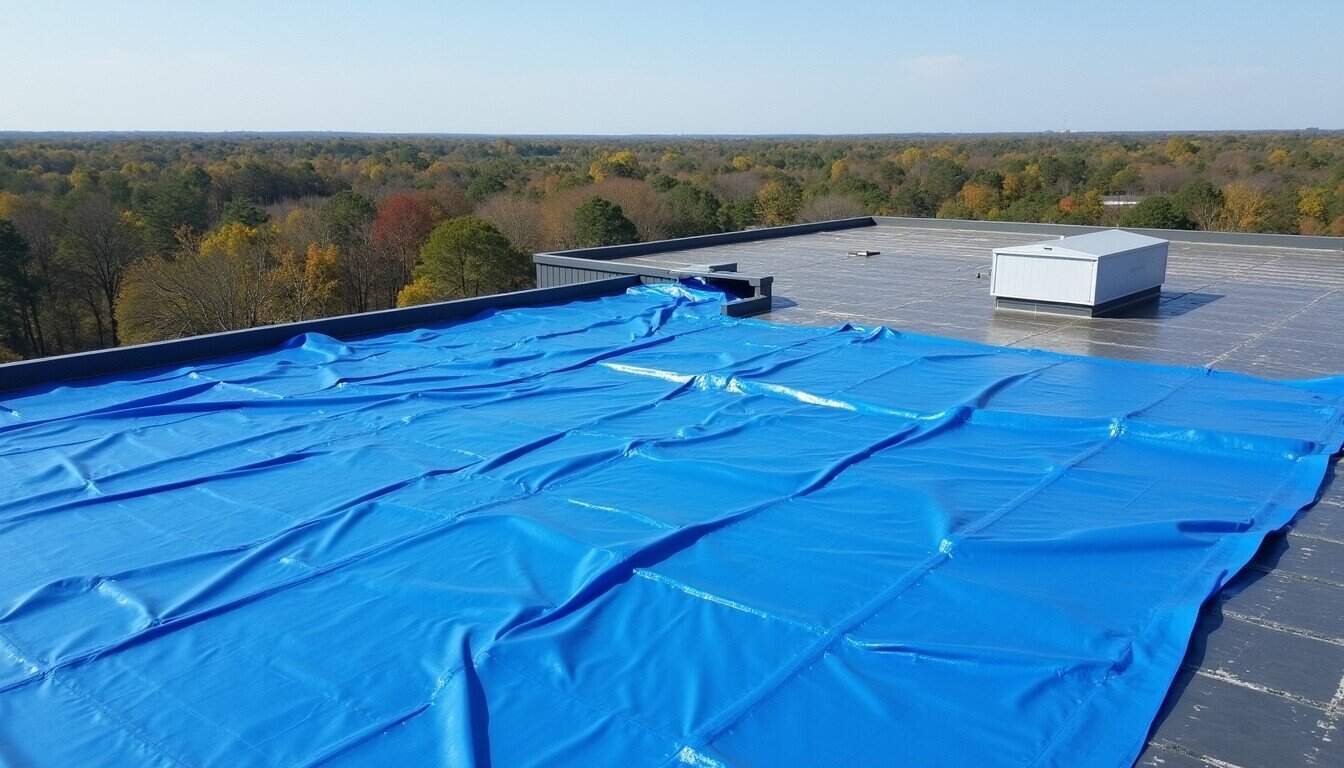
Need help with commercial roofing in lakeview?
Send the building address, known roof age, access notes, and what changed. We will respond with the right next step.