
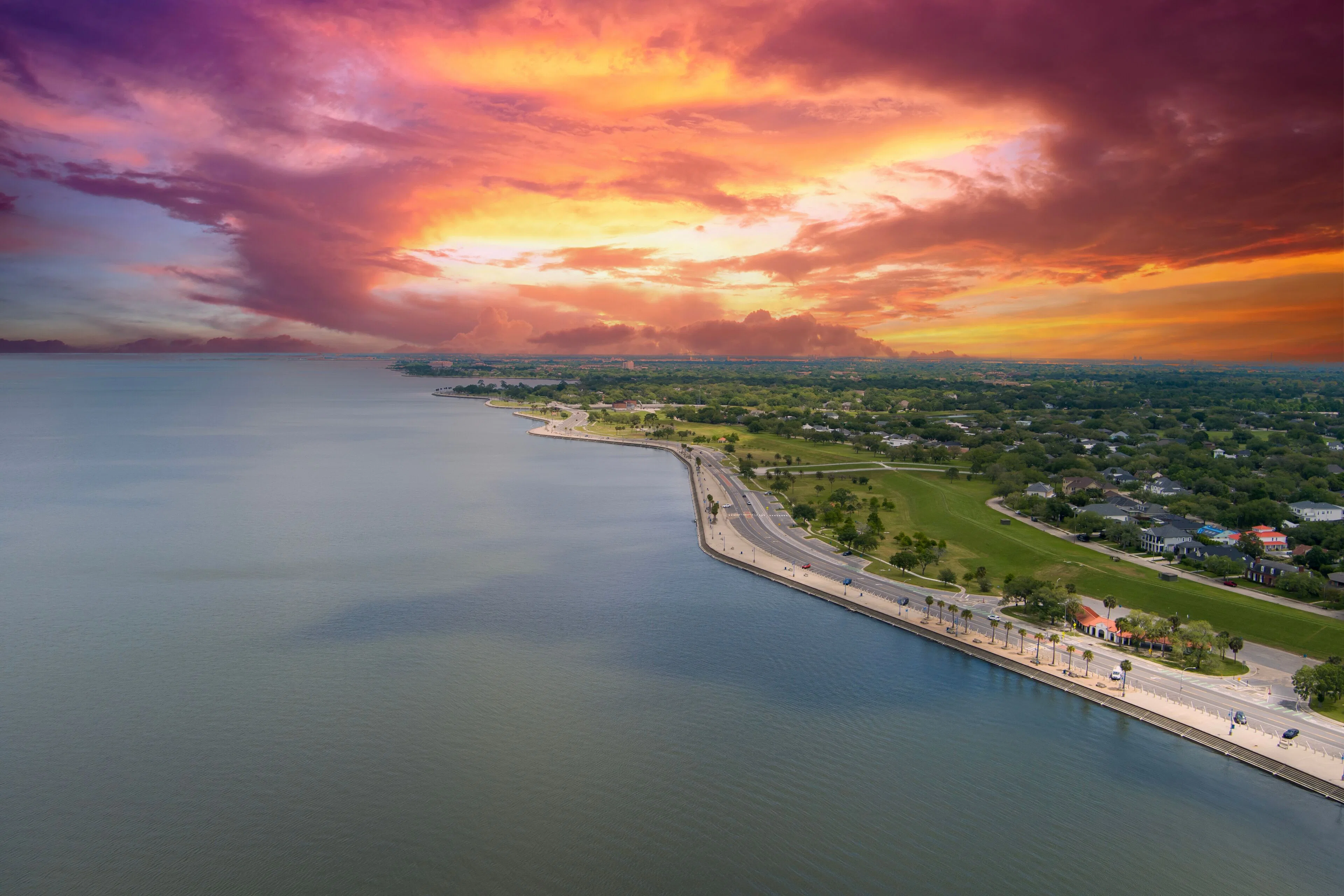
Commercial Roofers in Slidell.
For commercial properties in Slidell., the defensible choice between repair, restoration, and replacement starts with roof-system condition, moisture findings, drainage performance, and remaining service life. Commercial Roofers New Orleans provides commercial roof inspections, repairs, maintenance, storm response, and replacement planning in Slidell, LA.
What this roof work solves
Commercial Roofing in Slidell in New Orleans should begin with a documented roof walk. The first job is to identify active water entry, drainage problems, membrane condition, edge details, rooftop equipment conflicts, and weather exposure before a price or schedule is discussed.
For commercial owners, the useful answer is rarely a one-line recommendation. The roof file should explain the work area, the reason for the scope, the access constraints, and the next maintenance decision.
How the scope is built
Slidell roof work is planned around site access, traffic, tenant schedules, drainage, and the weather exposure that shapes that corridor. When repair is enough, the work stays focused. When replacement or recover planning is the responsible move, the reasoning is written plainly.
Each finished project should leave behind before-and-after photos, service notes, and follow-up items so the owner keeps a record for future inspections, budgeting, and vendor conversations.
Slidell is the eastern anchor of St. Tammany Parish's Northshore commercial corridor: separated from New Orleans by Lake Pontchartrain and accessible via the Twin Span bridge on I-10. The US-190 commercial district, the Northshore medical cluster, and the Fremaux Town Center represent the commercial spine of a rapidly growing parish where the roofing inventory includes everything from 1970s suburban commercial to 2020s new construction.
Slidell's position north of Lake Pontchartrain gives it a distinct commercial character within the New Orleans metro. The lake crossing, 5.4 miles of elevated bridge on the I-10 Twin Span, separates Slidell from the Orleans Parish commercial zone and shapes the service-area reality for commercial roofing: contractors who run exclusively from New Orleans don't always serve Slidell consistently, and contractors based in Slidell may lack the specialty commercial experience that large Northshore industrial and medical buildings require. We cover both sides of the lake and run Slidell as a regular route.
Hurricane Ida's track in August . Tammany Parish, and Slidell commercial buildings on the lake's north shore experienced sustained winds in the 80 to 100 mph range: lower than Jefferson and Orleans parishes but sufficient to document perimeter and edge-metal failures on commercial buildings that had not been specified to hurricane-prone-region wind-uplift standards. Louisiana's designation of coastal and near-coastal parishes under ASCE . Tammany, and we design to those requirements for every Slidell replacement scope.
Slidell Commercial Inventory by Corridor
Fremaux Town Center and Fremaux Avenue corridor: The power-center development centered on Fremaux Town Center carries anchor retail, lifestyle restaurants, and the surrounding strip commercial built out primarily from 2013 through 2020. These buildings are in first-maintenance and mid-life mode: roof systems installed 2012 through 2018 that need documented annual inspections to keep manufacturer warranties active. The large-format anchor stores carry the same big-roof production requirements that apply to power-center retail across the metro: phased tear-off, same-day dry-in discipline, and tenant-notification coordination.
US-190 commercial and medical corridor: The primary east-west artery through Slidell carries a mixed vintage of commercial construction from the 1970s through the present. Older strip commercial and the original Slidell commercial core are in replacement territory; the more recent medical office and healthcare campus buildings around Ochsner St. Tammany are in first-maintenance mode. Medical-office buildings in this corridor require the same infection-control awareness and off-hours coordination protocols that apply to medical-office work across the metro.
I-12 industrial and distribution corridor: The I-12 corridor east and west of Slidell carries distribution, warehouse, and light-industrial buildings that have expanded with St. Tammany's commercial growth. Open-terrain exposure along the I-12 corridor elevates wind-uplift requirements on these buildings relative to sheltered urban sites. Several of the larger distribution buildings in this zone are in their first replacement cycles: 2000s and early 2010s TPO systems reaching 15-year maintenance milestones.
Lake Pontchartrain and Northshore Exposure Conditions
Slidell's position on the north shore of Lake Pontchartrain creates a specific wind exposure profile during Gulf storm events. Storms tracking northeast from the Gulf, the track followed by both Katrina and Ida, generate open-water wind fetch across Lake Pontchartrain that arrives at Slidell's lakeshore commercial zone without significant upstream shelter. Buildings along the lakefront and the US-190 corridor near the lakeshore experience higher effective wind pressures during these events than their distance from the Gulf might suggest.
St. Tammany Parish building permit requirements reflect the parish's coastal-adjacent status under Louisiana building code. Commercial roofing permits through the St. Tammany Parish Office of Permits and Inspections require wind-uplift design documentation and energy code compliance as standard submission components. We prepare the full permit package for every Slidell replacement project and coordinate with the parish inspection office on the review timeline: St. Tammany typically runs 7 to 10 business days for commercial replacement permits, slightly longer than Jefferson Parish.
Does the Lake Pontchartrain crossing affect your response time for Slidell?
Yes: the Twin Span bridge adds CBD office, making the total transit approximately 45 to 55 minutes in normal conditions. We run dedicated Slidell routes rather than handling it as an add-on to New Orleans routes, which means emergency response for Slidell commercial buildings is same-day for calls received before noon. We prioritize Northshore emergency response the same way we prioritize Orleans and Jefferson Parish calls.
Does St. Tammany Parish apply Louisiana hurricane wind-uplift requirements to commercial buildings?
Yes. St. Tammany Parish falls within Louisiana's coastal-adjacent hurricane-prone-region designation under ASCE 7, and the parish building code requires wind-uplift design documentation for commercial roof replacements. The parish permit office reviews the wind-uplift calculation as part of the permit submission. We design to ASCE 7 hurricane-prone-region requirements for every Slidell commercial replacement and document the design calculation in the project closeout file.
Questions to settle early
Where is the risk?
Locate leaks, wet-insulation indicators, open seams, weak flashing, and drainage restrictions across the roof.
What can wait?
Separate immediate work from maintenance items that can be tracked for the next service window.
What should be funded?
Build a practical recommendation for repair, coating, recover, or replacement planning.
Need help with commercial roofing in slidell?
Send the building address, known roof age, access notes, and what changed. We will respond with the right next step.