
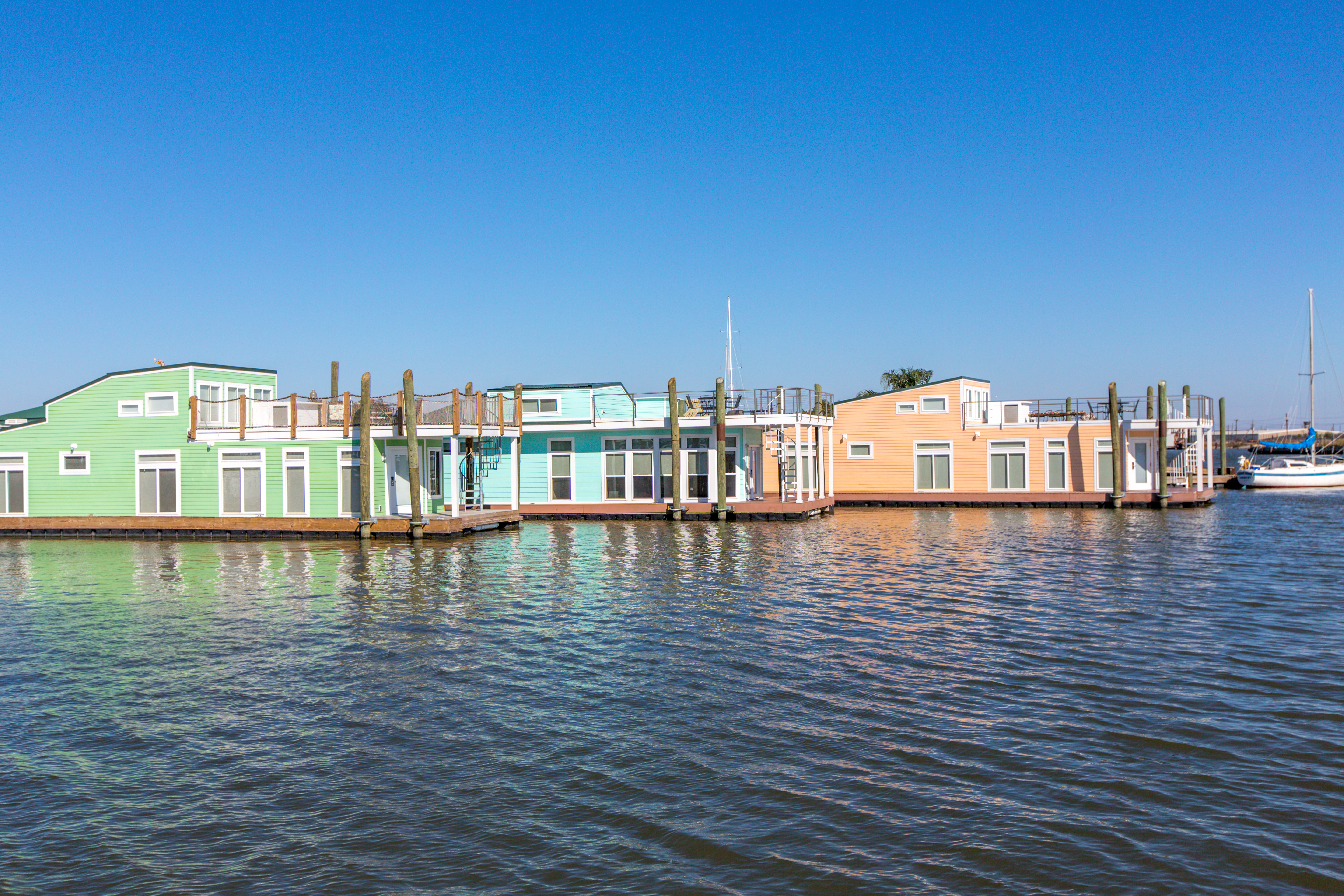
Commercial Roofers in New Orleans
For commercial properties in New Orleans, the defensible choice between repair, restoration, and replacement starts with roof-system condition, moisture findings, drainage performance, and remaining service life. Commercial Roofers New Orleans provides commercial roof inspections, repairs, maintenance, storm response, and replacement planning in New Orleans, LA.
What this roof work solves
Commercial Roofing in New Orleans in New Orleans should begin with a documented roof walk. The first job is to identify active water entry, drainage problems, membrane condition, edge details, rooftop equipment conflicts, and weather exposure before a price or schedule is discussed.
For commercial owners, the useful answer is rarely a one-line recommendation. The roof file should explain the work area, the reason for the scope, the access constraints, and the next maintenance decision.
How the scope is built
New Orleans roof work is planned around site access, traffic, tenant schedules, drainage, and the weather exposure that shapes that corridor. When repair is enough, the work stays focused. When replacement or recover planning is the responsible move, the reasoning is written plainly.
Each finished project should leave behind before-and-after photos, service notes, and follow-up items so the owner keeps a record for future inspections, budgeting, and vendor conversations.
New Orleans's commercial roof inventory was built in distinct waves that define which buildings are in which phase of their lifecycle today. The pre-Katrina construction, CBD office towers along Poydras Street, the French Quarter's historic hospitality buildings, the Warehouse District's converted loft and gallery buildings, represents a generation of structures that has been through at least one major storm event and carries a roof condition record shaped by that exposure. The post-Katrina reconstruction wave from 2006 through 2015 produced a large volume of new commercial construction across Mid-City, Gentilly, Lakeview, and the lakefront corridor: buildings now entering their first major maintenance and reroof cycles. The 2015-to-present development corridor in the Warehouse District, the Central Business District, and the Tulane-Gravier medical district produced the newest generation of commercial buildings, many still on original warranty programs.
We service all three generations. Our project managers maintain condition records on buildings across Orleans Parish, and that continuity matters when a Category 3 storm moves three or four buildings to the front of the capital queue simultaneously. We do not show up after the storm and disappear: we work the buildings we maintain through the full rebuild cycle.
Central Business District and Poydras Corridor: The commercial tower corridor along Poydras Street from the Superdome to the river; Class A and B office buildings, the Superdome / Caesars Superdome event campus, and the mixed-use development along Convention Center Boulevard. Most roof work in the CBD is replacement or recover on aging single-ply and modified bitumen systems installed 1990-2010. High-rise roof access and downtown crane permitting drive project sequencing.
French Quarter and Vieux Carré: The historic core of New Orleans, bounded by the river, Canal Street, North Rampart, and Esplanade Avenue. Commercial roofing here operates under Vieux Carré Commission oversight: visible rooftop equipment, membrane color, and parapet alterations may require VCC approval. Modified bitumen is common in this district given the building access constraints and historic context. Hotels, restaurants, and retail buildings on active guest-occupancy schedules require off-hours coordination for any work that affects guest-accessible areas.
Garden District and Uptown: The commercial corridor along Magazine Street and the St. Charles Avenue business corridor, plus the Tulane and Loyola university campus buildings. Mixed vintage: restored 19th-century commercial buildings alongside 1970s-2000s academic and medical-office construction. Tulane's campus buildings require coordination with university facilities management.
Mid-City, Lakeview, and Gentilly: The post-Katrina reconstruction zone north of I-10. A significant portion of the commercial buildings in this corridor were rebuilt or substantially renovated between 2006 and 2015. These buildings are now entering first major maintenance cycles and, in some cases, early reroof territory where the post-Katrina replacement systems were installed quickly and not always to current wind-uplift specifications.
New Orleans East warehouse and industrial corridor: The large-footprint warehouse and distribution buildings along Chef Menteur Highway and the I-10 East corridor. Open-terrain exposure in this zone carries elevated ASCE 7 Exposure C wind-uplift requirements. Industrial buildings here were disproportionately damaged in both Katrina and Ida due to their exposure category and large roof areas.
New Orleans Climate and Building Conditions
New Orleans summer surface temperatures on dark roofs exceed 150°F in July and August. White and light-gray TPO and PVC membranes are the standard specification for commercial buildings seeking energy compliance and reflectivity in a Climate Zone 2A subtropical environment. The high ambient humidity, New Orleans routinely records dew points above 75°F from June through September, affects adhesive cure timing during installation and accelerates moisture-related membrane degradation on systems with compromised seams.
The post-Katrina levee improvement program and the city's ongoing investment in the Sewerage and Water Board drainage infrastructure have changed the baseline flood-risk profile for many commercial corridors, but roof drainage capacity remains a critical specification item. Peak rainfall intensity in New Orleans tropical weather events can exceed 3 inches per hour: a commercial roof that ponds water even briefly under these conditions ages faster than the manufacturer's warranty period assumes.
Orleans Parish building permit timelines have improved since the post-Katrina rebuilding surge but still require lead time planning. We recommend initiating the permit process 3-4 weeks before the planned production start for standard commercial replacement projects, and 6-8 weeks for projects in the Vieux Carré or other historic overlay districts where additional review may apply.
Do you do emergency roof leak response in New Orleans?
Yes. CBD, Warehouse District, and Garden District calls get crews on-site within four business hours. Mid-City, Lakeview, Gentilly, and the French Quarter are same-day. New Orleans East and Algiers are next-day at the latest. After-hours and weekend emergency response is available for buildings on our maintenance contracts, and we activate a storm-response protocol when tropical weather events affect Orleans Parish.
Louisiana requires commercial roofing contractors to hold a license through the Louisiana State Licensing Board for Contractors (LSLBC). We carry active LSLBC licensure along with general liability, workers' compensation, and umbrella coverage at limits that support every commercial building we work on. Certificates of insurance are provided on request. We pull City of New Orleans building permits for all replacement work.
Questions to settle early
Where is the risk?
Locate leaks, wet-insulation indicators, open seams, weak flashing, and drainage restrictions across the roof.
What can wait?
Separate immediate work from maintenance items that can be tracked for the next service window.
What should be funded?
Build a practical recommendation for repair, coating, recover, or replacement planning.
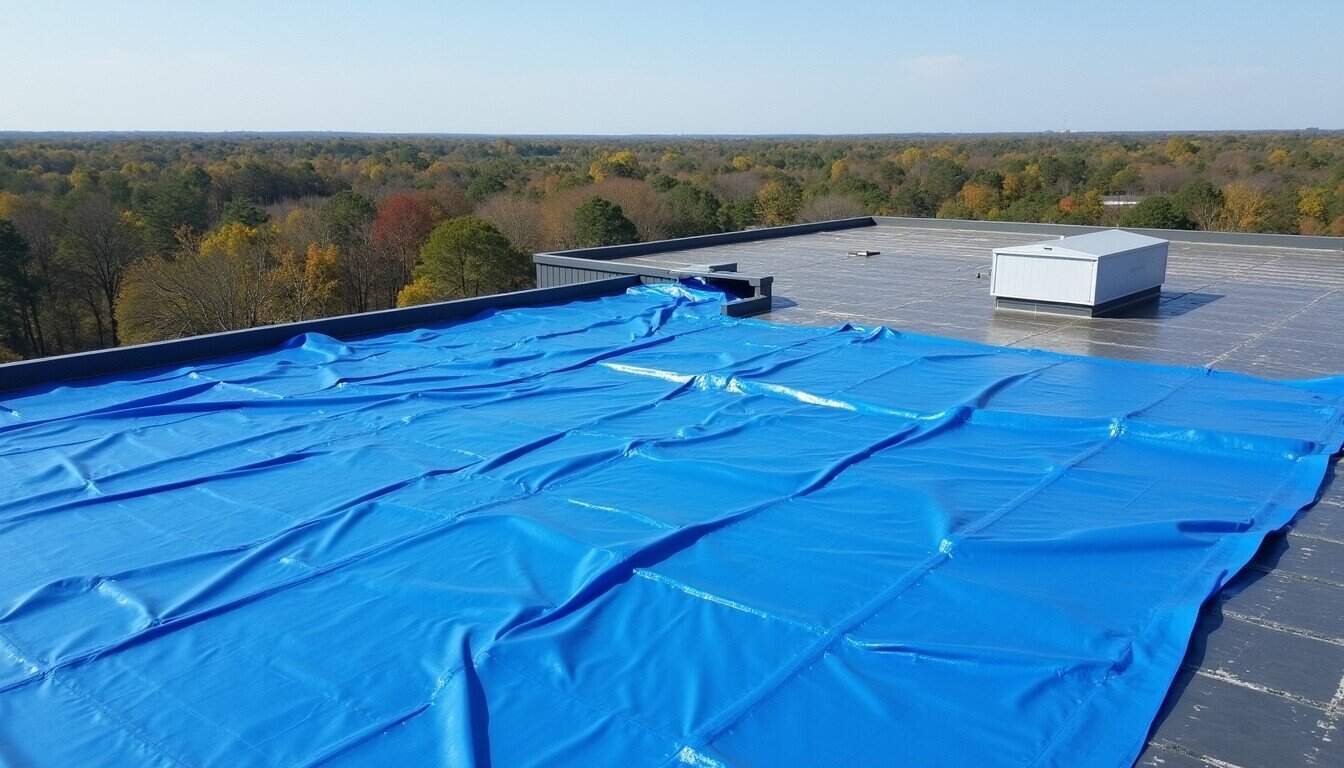
Need help with commercial roofing in new orleans?
Send the building address, known roof age, access notes, and what changed. We will respond with the right next step.