
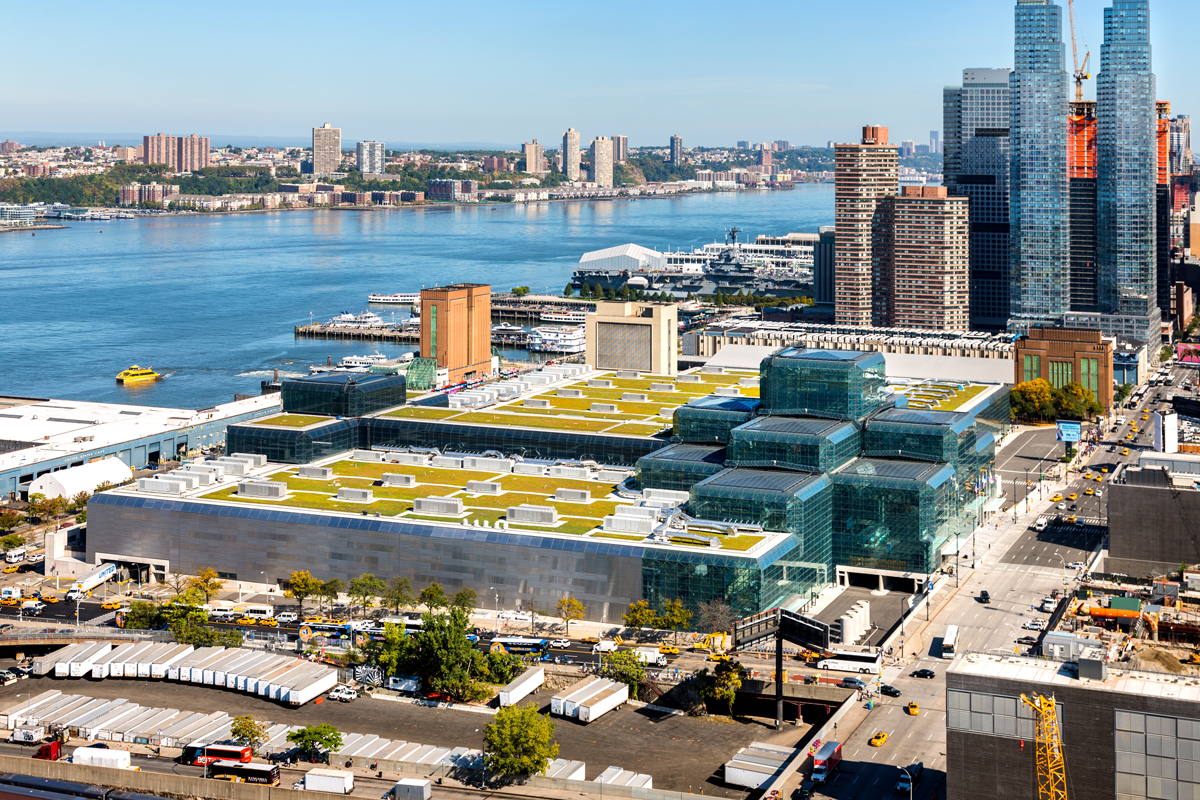
Event Venue & Convention Center Roofing.
Event Venue & Convention Center Roofing support in New Orleans, LA, with documented inspections, written scopes, and practical roof planning for commercial properties.
What this roof work solves
Event Venue & Convention Center Roofing in New Orleans should begin with a documented roof walk. The first job is to identify active water entry, drainage problems, membrane condition, edge details, rooftop equipment conflicts, and weather exposure before a price or schedule is discussed.
For commercial owners, the useful answer is rarely a one-line recommendation. The roof file should explain the work area, the reason for the scope, the access constraints, and the next maintenance decision.
How the scope is built
The scope is geared to building use, roof age, visible defects, and the cost difference between immediate repair and longer-range planning. When repair is enough, the work stays focused. When replacement or recover planning is the responsible move, the reasoning is written plainly.
Each finished project should leave behind before-and-after photos, service notes, and follow-up items so the owner keeps a record for future inspections, budgeting, and vendor conversations.
New Orleans's commercial corridors include the CBD and Warehouse District, the Mid-City and Gentilly commercial belts, the Elmwood industrial park, and the significant port logistics and petrochemical industrial zone along the River. Event venues, convention centers, and banquet facilities in this market have committed event calendars that make roofing scheduling a project management challenge first: finding confirmed dark periods in a facility booked 12 to 18 months in advance requires the booking calendar before any scope is written.
Event venue and convention center roofing in New Orleans requires a contractor who has done this specific type of work, not one who does it for the first time on your project. The differentiating experience markers are specific: event-calendar phased projects, life-safety system coordination with fire marshals, long-span structural engineering review, and the ability to produce the documentation package that a large assembly-occupancy facility's risk management team, lender, and insurance carrier requires at closeout. Ask your bidders for three comparable completed projects. Call the operations manager at each one.
The pre-bid process for event venue roofing in New Orleans is where qualified contractors separate from unqualified ones. A qualified contractor requests the booking calendar before pricing, conducts a pre-bid walkover that includes the mechanical room to understand HVAC curb configurations, and asks for the structural drawings to confirm deck type and span. A contractor who submits a proposal without reviewing the booking calendar, without confirming deck type, and without asking about smoke exhaust system locations hasn't done the work to give you an accurate proposal. A low price based on incomplete information is not a bargain.
Manufacturer certification is the baseline qualification gate for large event venue roofing in New Orleans. All major membrane manufacturers, Carlisle, Firestone, GAF, Johns Manville, maintain certified applicator programs that are prerequisites for NDL warranty coverage on assembly-occupancy buildings. An uncertified contractor cannot provide NDL warranty coverage on your facility regardless of what their proposal states. Verify certification directly with the manufacturer's commercial roofing division before shortlisting any bidder. Certification verification takes one phone call and 5 minutes.
Event Venue Roofing: Contractor Selection Questions
Ask for references from the last three assembly-occupancy facilities: convention centers, arenas, large auditoriums, where the contractor completed a re-roofing project. When you call the reference, ask three specific questions: did the contractor meet every event-protection milestone without missing an event date; did any event or exhibit activity experience water intrusion or construction-related disruption; and would you hire this contractor again for your next roofing project? Answers to these three questions will tell you everything you need to know about the contractor's performance.
A complete proposal should include: event-calendar-based phase schedule with named event-protection milestones; structural deck assessment confirming deck type and deflection-adjusted attachment design; smoke exhaust and life-safety interface plan; HVAC curb height confirmation; manufacturer certification documentation; scope of closeout deliverables including warranty registration process; and insurance certificates meeting the facility's required limits. Proposals missing any of these elements are incomplete regardless of how detailed they appear in other respects.
A properly structured RFP process for a major event venue re-roofing project in New Orleans should allow 4-6 weeks from RFP issue to bid due date: long enough for qualified contractors to schedule a pre-bid walkover, obtain the booking calendar, review structural drawings, and prepare a complete proposal. A 2-week RFP window on a complex project will eliminate the most qualified bidders (who are busy and need adequate lead time) and attract bidders who are guessing at scope.
Minimum qualifications for a large convention center or event venue roofing RFP should include: current LA roofing contractor license; minimum $5M GL insurance with assembly-occupancy additional insured endorsement capability; manufacturer certification for the proposed system; demonstrated experience on a minimum of three comparable assembly-occupancy projects with references; performance and payment bond capability at 100% of contract value; and OSHA safety program with a documented loss run for the past 3 years. These are minimum qualifications: they establish the floor, not the ceiling.
Per-square-foot installed cost for a large convention center re-roof in New Orleans typically ranges from $20-35 per square foot depending on system selection (60-mil vs 80-mil, mechanically attached vs fully adhered), insulation R-value, the extent of concrete or deck repair work, and project complexity factors (number of penetrations, HVAC coordination, life-safety interface). Projects with significant historic preservation requirements, unusual structural conditions, or extremely constrained scheduling windows may exceed this range. A proposal outside the range without a clear explanation of the cost driver warrants a scope review before award.
Commercial roofing for event venue & convention center roofing in New Orleans, LA: specifications, scheduling, and project coordination for this building type.
New Orleans's warehouse roofing inventory is defined by two primary corridors. The Port of New Orleans complex, which handles nearly 60 million tons of cargo annually through its riverfront terminals and the associated Napoleon Avenue and Poland Avenue warehouse facilities: represents some of the largest and oldest commercial roofing in the metro. These buildings carry the full exposure load of the Mississippi River corridor: open-terrain ASCE 7 wind designations, near-constant humidity, and the added complexity of port operations that run around the clock every day of the year.
The Elmwood Industrial Park in Jefferson Parish is the second major warehouse corridor in the New Orleans metro. Elmwood's mid-1970s through 1990s industrial buildings house distribution operations, light manufacturing, and storage facilities across millions of square feet of flat-roof inventory. Most of these buildings have been reroofed at least once since Katrina, but the post-Katrina replacement wave from 2006 through 2012 produced a significant volume of warehouse roofing that was installed quickly and not always specified to the post-2005 Louisiana wind-uplift code amendments. Many of those systems are now hitting their first major failure cycle.
The New Orleans East warehouse and distribution corridor along Chef Menteur Highway and the I-10 East industrial zone represents a third major concentration: open-terrain Exposure C buildings that were disproportionately damaged in both Katrina and Ida. Reroofing in this corridor requires the most rigorous wind-uplift engineering of any warehouse zone in the metro.
Questions to settle early
Where is the risk?
Locate leaks, wet-insulation indicators, open seams, weak flashing, and drainage restrictions across the roof.
What can wait?
Separate immediate work from maintenance items that can be tracked for the next service window.
What should be funded?
Build a practical recommendation for repair, coating, recover, or replacement planning.
Need help with event venue & convention center roofing?
Send the building address, known roof age, access notes, and what changed. We will respond with the right next step.