
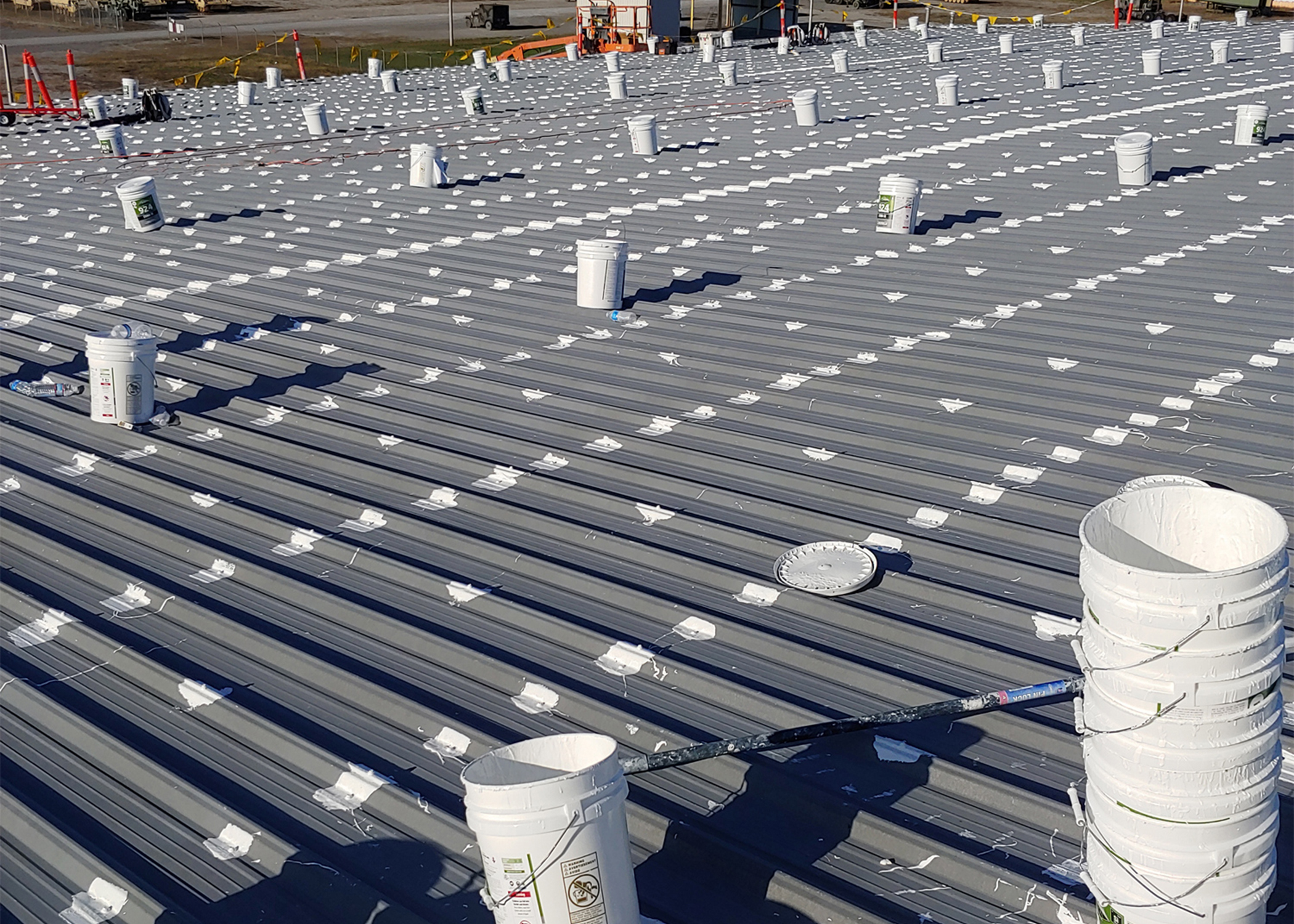
Silicone Roof Coating Systems.
Silicone Roof Coating Systems support in New Orleans, LA, with documented inspections, written scopes, and practical roof planning for commercial properties.
What this roof work solves
Silicone Roof Coating Systems in New Orleans should begin with a documented roof walk. The first job is to identify active water entry, drainage problems, membrane condition, edge details, rooftop equipment conflicts, and weather exposure before a price or schedule is discussed.
For commercial owners, the useful answer is rarely a one-line recommendation. The roof file should explain the work area, the reason for the scope, the access constraints, and the next maintenance decision.
How the scope is built
The scope is based on system selection, building use, roof age, visible defects, and the cost difference between immediate repair and longer-range planning. When repair is enough, the work stays focused. When replacement or recover planning is the responsible move, the reasoning is written plainly.
Each finished project should leave behind before-and-after photos, service notes, and follow-up items so the owner keeps a record for future inspections, budgeting, and vendor conversations.
Silicone fluid-applied coating is a legitimate 10-to-20-year life extension for the right New Orleans commercial roof. The distinction between the right roof and the wrong one is not the coating product: it's the substrate condition. In a city with 60-plus inches of annual rainfall and summer humidity that keeps surfaces damp for hours after a rain event, substrate qualification is not a pre-installation formality. It determines whether the coating warranty holds.
Silicone roof coating systems have a genuine application in the New Orleans commercial market, and a genuine abuse problem that is amplified by the local climate. The legitimate application is straightforward: a qualifying commercial roof with dry insulation, sound seams, and intact flashings receives a 20-to-25-mil silicone coating, gains 10-to-20 years of extended waterproofing life, and carries a manufacturer warranty at a fraction of the cost of full membrane replacement. For building owners who do not want to absorb a full replacement capital cost in the current budget cycle, and whose roof actually qualifies for coating, it is a rational decision.
The abuse is equally common in the New Orleans market. Contractors apply silicone coating over modified bitumen or TPO with failed seams, over parapet flashings that have lost their bond, and over insulation that the Gulf Coast humidity has kept chronically damp. The coating looks new for six months. The warranty claim gets denied when the leaks return because the manufacturer's pre-installation substrate requirements were not met. New Orleans's combination of high annual rainfall, chronic humidity, and tropical storm activity creates the conditions where this failure mode plays out most aggressively.
We install silicone coating systems on New Orleans commercial buildings where the substrate qualifies, and we turn away coating work when it does not. The pre-application assessment protocol we use is not optional: moisture cores at a minimum of eight locations, impedance-meter readings across the membrane field, seam probe at all lap joints and parapet transitions, and a written substrate qualification report before any coating application is discussed.
Substrate Moisture Qualification in New Orleans's Climate
New Orleans's subtropical climate creates substrate moisture conditions that are more challenging for silicone coating qualification than almost any other US commercial roofing market. Annual rainfall exceeding 60 inches, summer afternoon convective storms that can wet a roof surface within 30 minutes of the last coat's application, and dew points above 75°F from June through September that keep roof surfaces damp for hours after a rain event: these conditions mean that the 24-hour drying window that suffices in drier markets is routinely inadequate in New Orleans.
Our substrate moisture qualification protocol for New Orleans coating projects: pressure wash and allow minimum 48 hours dry time in summer conditions, not 24; impedance-meter readings at 20-foot intervals across the membrane field, not just at representative locations; seam probe at every accessible lap joint; and a written go/no-go decision before coating begins. We do not schedule coating application during the June-through-November storm season without a five-day dry weather window confirmed in the forecast: a standard we hold regardless of contractor schedule pressure.
Dry Film Thickness and Warranty Terms for New Orleans Buildings
Silicone coating warranty terms are tied directly to dry film thickness. A 10-year manufacturer warranty on most systems requires 20 mil DFT minimum. A 15-year warranty requires 25 mil DFT. A 20-year warranty requires 30 mil DFT. These are dry-film measurements: the wet application rate must account for the volume loss as solvent flashes off, and in New Orleans's high-humidity conditions, solvent flash-off is slower than in temperate climates, which affects the calculation of how much wet material to apply per lift.
We verify DFT during application with a wet-film gauge on every lift and document the final DFT with a dry-film gauge after cure. Manufacturer warranty inspectors perform the same measurement at closeout: a coating project that does not pass DFT verification does not receive the warranty document. We carry applicator credentials with GE Enduris, Tremco, and Henry, and we match the manufacturer to the building's substrate type and the owner's warranty objective.
When Coating Qualifies, and When It Does Not
The New Orleans buildings where silicone coating is most likely to qualify are low-slope commercial structures built or reroofed between 2005 and 2015 that have received consistent maintenance and are in their first major reroof decision cycle. Post-Katrina commercial construction in Mid-City, Lakeview, and Gentilly included a large volume of TPO and modified bitumen systems that, if maintained and not subject to chronic ponding or tropical storm damage, are candidates for coating extension rather than full replacement.
The buildings where coating does not qualify, and where we decline the coating work: include any roof where moisture cores return wet insulation in more than 20% of the sampled area (the drier-market 25% threshold is more conservative in New Orleans given the chronic moisture environment), any roof where parapet flashings have visible separation at the termination bar, and any roof that shows active delamination at seam laps. Applying silicone over these conditions does not waterproof the building: it creates the appearance of waterproofing until the next hurricane-season rain event.
How do I know if my New Orleans commercial roof qualifies for silicone coating?
Questions to settle early
Where is the risk?
Locate leaks, wet-insulation indicators, open seams, weak flashing, and drainage restrictions across the roof.
What can wait?
Separate immediate work from maintenance items that can be tracked for the next service window.
What should be funded?
Build a practical recommendation for repair, coating, recover, or replacement planning.
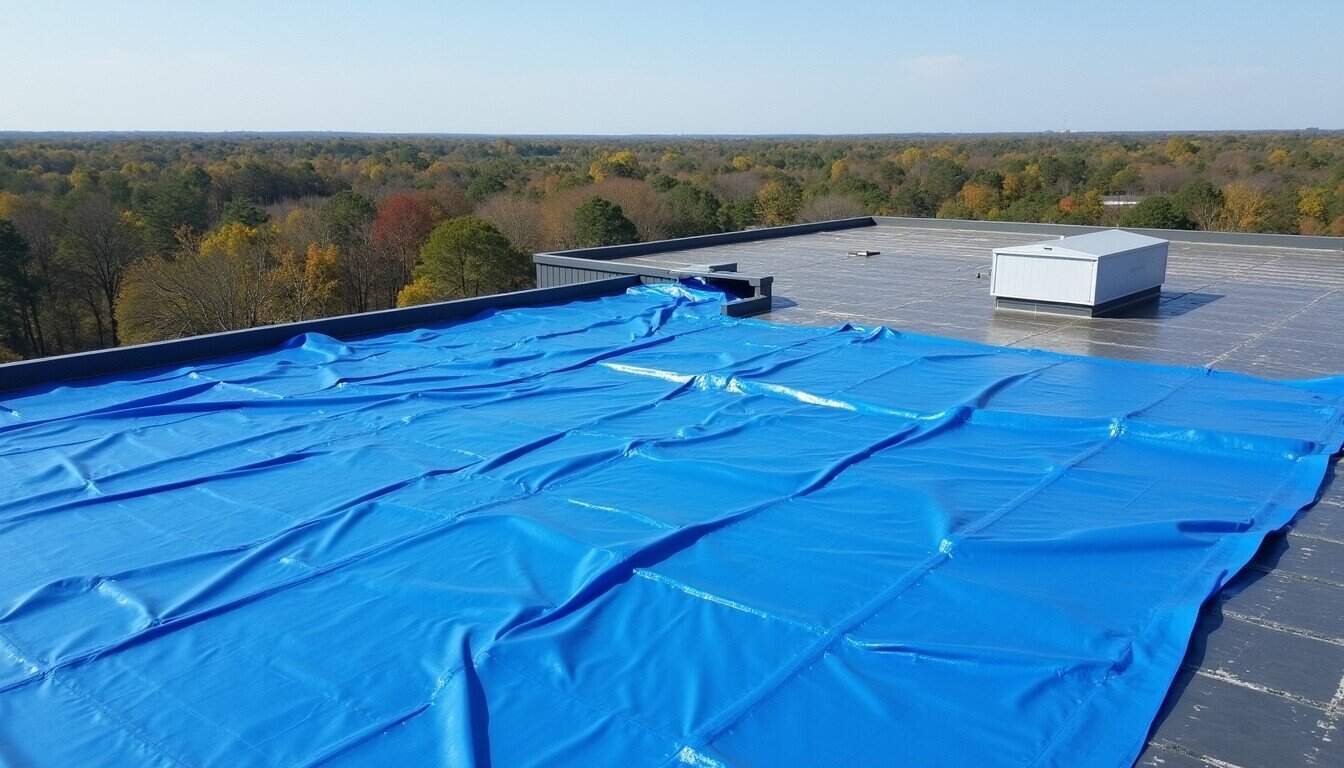
Need help with silicone roof coating systems?
Send the building address, known roof age, access notes, and what changed. We will respond with the right next step.