
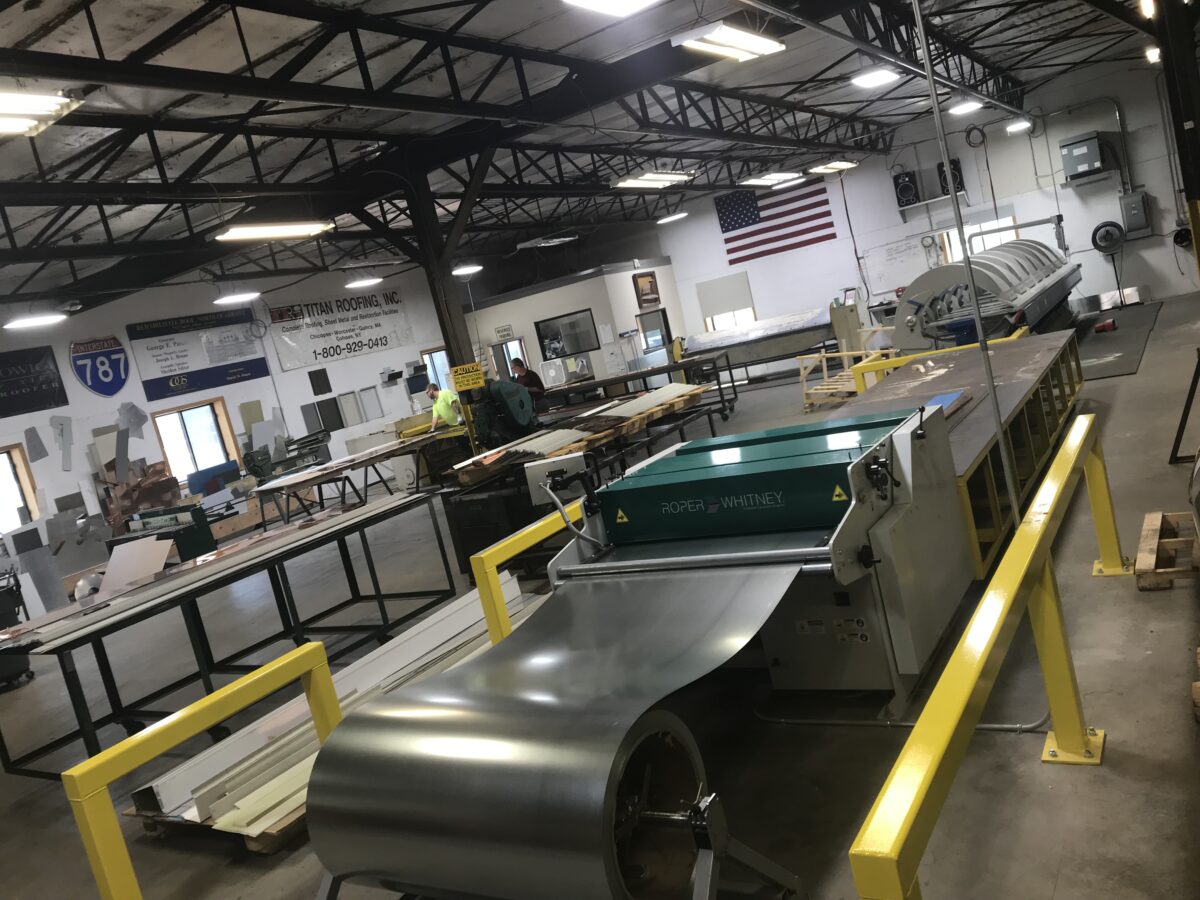
Manufacturing Roofing.
Manufacturing Roofing support in New Orleans, LA, with documented inspections, written scopes, and practical roof planning for commercial properties.
What this roof work solves
Manufacturing Roofing in New Orleans should begin with a documented roof walk. The first job is to identify active water entry, drainage problems, membrane condition, edge details, rooftop equipment conflicts, and weather exposure before a price or schedule is discussed.
For commercial owners, the useful answer is rarely a one-line recommendation. The roof file should explain the work area, the reason for the scope, the access constraints, and the next maintenance decision.
How the scope is built
The scope is geared to building use, roof age, visible defects, and the cost difference between immediate repair and longer-range planning. When repair is enough, the work stays focused. When replacement or recover planning is the responsible move, the reasoning is written plainly.
Each finished project should leave behind before-and-after photos, service notes, and follow-up items so the owner keeps a record for future inspections, budgeting, and vendor conversations.
The Port of New Orleans shipbuilding and repair facilities along the Industrial Canal, the Avondale Shipyard legacy industrial corridor in Westwego, and the major food-processing plants along the river: Folgers Coffee on Old Gentilly Road and the Domino Sugar refinery on Tchoupitoulas. Heavy industrial roofing in New Orleans requires production coordination that understands the operations below the roof, not just the membrane above.
New Orleans's manufacturing roofing inventory is rooted in two legacy industrial sectors: maritime and shipbuilding, and food and beverage processing. The Port of New Orleans's industrial footprint includes shipbuilding and ship-repair facilities along the Inner Harbor Navigation Canal, the Industrial Canal, that trace their operational lineage to the city's role as one of the busiest ports in the Western Hemisphere. These buildings carry the full exposure load of industrial waterfront operations: chemical-atmosphere exposure from marine coatings and metalworking, vibration from heavy equipment, and the open-terrain wind-uplift environment of the Industrial Canal corridor.
The Avondale Shipyard complex in Westwego, which operated as one of the Gulf Coast's major naval and commercial shipbuilding facilities through its Northrop Grumman and General Dynamics eras before closure in 2013: left behind a large industrial building inventory that has been repurposed for distribution, light manufacturing, and storage. These buildings represent some of the largest individual roofing footprints in the Greater New Orleans metro, and their original industrial construction presents specific conditions around deck type, penetration density, and chemical exposure that require pre-bid inspection rather than phone-quote scoping.
Folgers Coffee's Old Gentilly Road roasting facility and the Domino Sugar refinery on Tchoupitoulas Street are among the largest food-processing operations in the city. Both facilities run continuous production operations, which means roofing work must be coordinated around production schedules that do not pause for contractor convenience. The chemical environments in both facilities, coffee dust and roasting vapors at Folgers, sugar refining atmosphere at Domino, present adhesive and sealant compatibility considerations that are part of the membrane specification.
Chemical Atmosphere and Membrane Compatibility
Manufacturing facilities in New Orleans present chemical-atmosphere conditions that affect membrane selection, adhesive specification, and sealant chemistry. The marine-coating environment in shipbuilding facilities along the Industrial Canal, solvents, primers, antifouling paints, can degrade standard TPO seam adhesion if the membrane specification does not account for airborne chemical exposure. We specify PVC or chemical-resistant TPO formulations on shipbuilding and ship-repair facility roofs where the chemical atmosphere warrants it.
Food-processing facilities present a different compatibility requirement. Sugar refining atmosphere at the Domino facility and roasting vapors at Folgers create an environment where certain adhesive formulations degrade faster than in a standard commercial building environment. We document the chemical-atmosphere conditions at pre-bid inspection and select adhesive and sealant products with confirmed compatibility with the facility's specific operating environment.
Heavy Industrial Production Coordination
Manufacturing facilities that run continuous production, both Folgers and Domino operate around the clock, require production coordination matched to the facility's own operations schedule, not the roofing contractor's convenience. We begin the production-coordination process at the pre-bid meeting by documenting the facility's production schedule, maintenance windows, chemical shutdown cycles, and any facility events that affect roof access.
Penetration density on food-processing and shipbuilding facilities is the highest of any commercial building type: exhaust stacks, process-equipment vents, crane-rail penetrations in shipbuilding structures, refrigeration and utility penetrations in food-processing buildings. Each penetration is a flashing scope item, and on facilities like the Avondale legacy buildings, the original industrial penetration details were not designed to modern commercial roofing flashing standards. We document every penetration on the pre-bid roof walk and include all penetrations in the flashing scope before the bid is submitted.
Structural Conditions on Legacy Industrial Buildings
The Avondale Shipyard legacy buildings and the older industrial structures along the Industrial Canal present deck conditions that require structural review before roofing scope finalization. Heavy-gauge steel deck in marine industrial facilities ages differently from light-gauge metal deck in standard commercial construction: corrosion from the industrial waterfront atmosphere, point loads from overhead crane equipment, and vibration from heavy manufacturing machinery all affect deck condition in ways that a standard roof-walk inspection does not fully capture.
We recommend a structural deck assessment, deck core pulls and in-place deflection measurement at representative locations, for any legacy industrial building where the construction date and use history suggest potential deck degradation. Deck findings are documented in a written assessment before the replacement scope is finalized, so the deck repair scope is identified before contract signing rather than discovered as a change order during tear-off.
Can you work around continuous production at a 24-hour food-processing plant?
Questions to settle early
Where is the risk?
Locate leaks, wet-insulation indicators, open seams, weak flashing, and drainage restrictions across the roof.
What can wait?
Separate immediate work from maintenance items that can be tracked for the next service window.
What should be funded?
Build a practical recommendation for repair, coating, recover, or replacement planning.
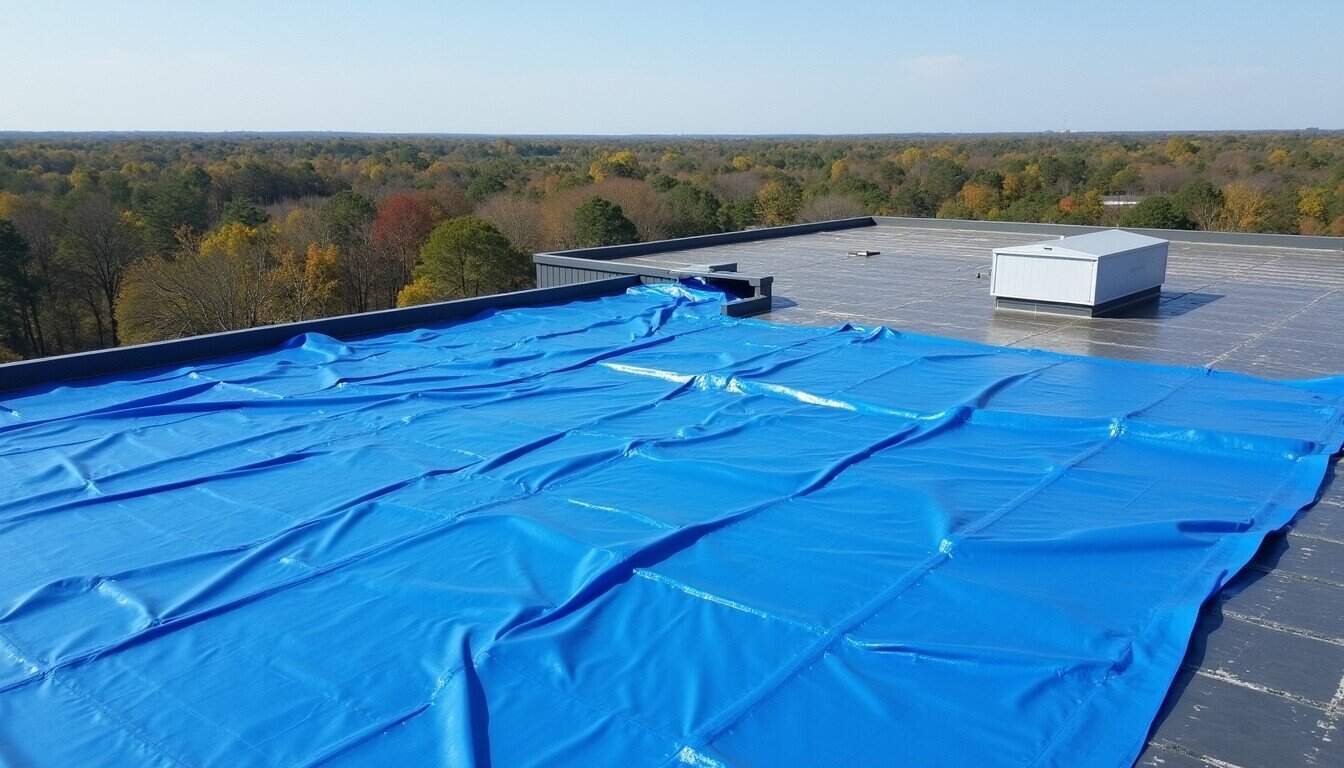
Need help with manufacturing roofing?
Send the building address, known roof age, access notes, and what changed. We will respond with the right next step.