
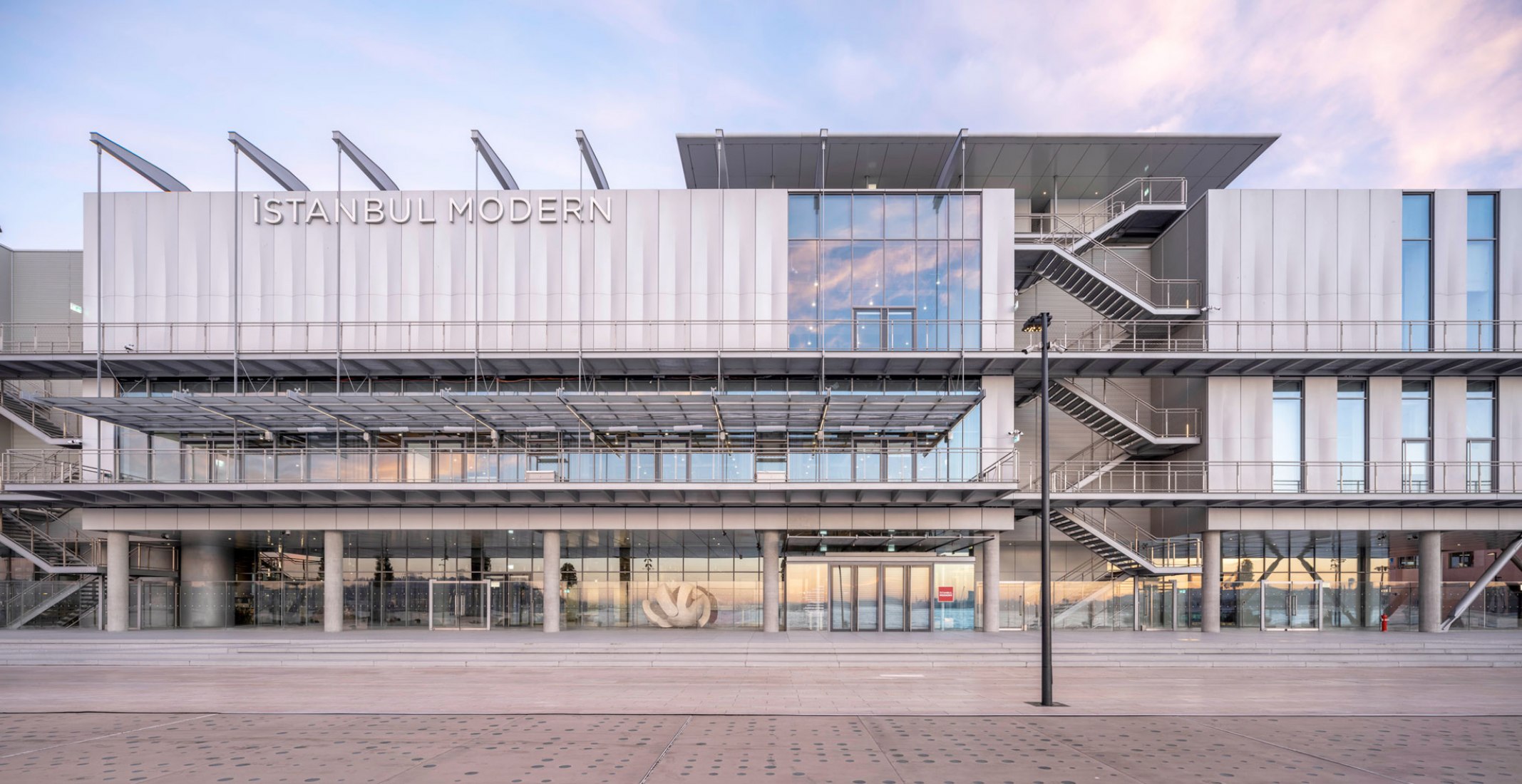
Museum & Cultural Facility Roofing.
Museum & Cultural Facility Roofing support in New Orleans, LA, with documented inspections, written scopes, and practical roof planning for commercial properties.
What this roof work solves
Museum & Cultural Facility Roofing in New Orleans should begin with a documented roof walk. The first job is to identify active water entry, drainage problems, membrane condition, edge details, rooftop equipment conflicts, and weather exposure before a price or schedule is discussed.
For commercial owners, the useful answer is rarely a one-line recommendation. The roof file should explain the work area, the reason for the scope, the access constraints, and the next maintenance decision.
How the scope is built
The scope is geared to building use, roof age, visible defects, and the cost difference between immediate repair and longer-range planning. When repair is enough, the work stays focused. When replacement or recover planning is the responsible move, the reasoning is written plainly.
Each finished project should leave behind before-and-after photos, service notes, and follow-up items so the owner keeps a record for future inspections, budgeting, and vendor conversations.
New Orleans's commercial corridors include the CBD and Warehouse District, the Mid-City and Gentilly commercial belts, the Elmwood industrial park, and the significant port logistics and petrochemical industrial zone along the River. Museums and cultural institutions in this market require roofing specifications that protect collections from even low-rate moisture infiltration: the standard for museum envelope performance is zero-tolerance, and the phasing, temporary protection, and skylight coordination requirements that achieve that standard are fundamentally different from standard commercial roofing practice.
Museum and cultural institution roofing in New Orleans presents technical challenges specific to buildings designed for collection preservation. The interior climate control standard for museum-quality preservation, typically 68-72°F and 45-55% relative humidity maintained year-round, requires a roof assembly with very low effective vapor permeance. Any moisture infiltration through the assembly, even at rates too low to create visible water staining, can cause relative humidity spikes in collection areas that accelerate deterioration of organic materials and create conditions for mold growth on climate-sensitive works. We specify museum roofing assemblies to zero-infiltration standards, not to standard commercial performance thresholds.
Skylights are an integral architectural element in many museum buildings in New Orleans: natural light quality shapes how collections are experienced, and historic museum buildings often have large glazed barrel vaults, clerestory systems, or decorative skylights that age on a different timeline from the membrane roof. The skylight-to-membrane interface is the most technically demanding transition detail in museum roofing. When skylights require glazing replacement concurrent with membrane re-roofing, we coordinate both scopes under a single waterproofing design: the transition detail between new skylight framing and new membrane is designed as an integrated assembly, not as two separate contractors' work meeting at a boundary line.
Hygrothermal analysis is a technical tool we use for museum roof assemblies in New Orleans when the collection's conservation requirements demand it. A hygrothermal simulation models the moisture and temperature behavior of the proposed roof assembly under the full range of exterior conditions in New Orleans's climate zone, confirming that the vapor control design performs as intended and that the dew point position within the assembly stays above the insulation layer, not within it. For museums with particularly sensitive collections or with architectural assemblies that complicate standard vapor control design, hygrothermal analysis replaces the guesswork with documented performance prediction.
Museum & Cultural Facility Roofing: Technical Questions
Museum-quality preservation standards typically require an effective assembly vapor permeance of less than 0.1 perms: significantly lower than the 0.1-1.0 perm range that standard commercial roof assemblies achieve. This level of vapor control requires a fully adhered membrane, a correctly positioned vapor retarder below the insulation, and careful detailing at all penetrations and transitions. We specify the assembly permeance and confirm it with a hygrothermal analysis for collections requiring the strictest preservation standards.
The skylight-to-membrane transition is designed as a single integrated waterproofing assembly, not as two separate scopes. When skylight glazing replacement and membrane re-roofing occur together, the new skylight frame is set and anchored before the membrane is installed, the membrane is lapped onto the skylight curb flange, and the transition is heat-welded or adhesively bonded as a single continuous seal. If the skylight scope and the roofing scope are not designed together, the transition detail defaults to field improvisation, which is the most common source of post-construction museum roof leaks.
Museum HVAC systems are designed around the existing roof assembly's thermal and vapor performance characteristics. When the roof assembly changes, different insulation R-value, different vapor retarder position, the HVAC system's ability to maintain the required climate parameters may change. We provide the mechanical engineer of record with the proposed assembly's thermal and vapor performance data before construction begins, and include a 90-day post-installation climate monitoring period in our closeout protocol to confirm that the HVAC system is maintaining the required conditions under the new assembly.
Historic architectural roofing, slate, copper, clay tile, that is structurally sound and historically significant is preserved and repaired rather than replaced. The transition from historic roofing to modern membrane sections is designed as a one-way drainage detail that prevents water from backing up under the historic material from the membrane section. We work with preservation architects to design transitions that satisfy both the SHPO's historic preservation requirements and the roofing engineer's waterproofing performance requirements.
Museum roof drains require sediment baskets, overflow protection, and drain sizing confirmed by a hydraulic calculation for the roof area served, not assumed from the existing drain size. Overflow protection is particularly critical on museum roofs because a blocked primary drain during a heavy rainfall creates a ponding condition that can impose loads exceeding the roof structure's design capacity. We include drain sizing confirmation, overflow protection verification, and sediment basket installation in every museum roofing scope.
Commercial roofing for museum & cultural facility roofing in New Orleans, LA: specifications, scheduling, and project coordination for this building type.
New Orleans's warehouse roofing inventory is defined by two primary corridors. The Port of New Orleans complex, which handles nearly 60 million tons of cargo annually through its riverfront terminals and the associated Napoleon Avenue and Poland Avenue warehouse facilities: represents some of the largest and oldest commercial roofing in the metro. These buildings carry the full exposure load of the Mississippi River corridor: open-terrain ASCE 7 wind designations, near-constant humidity, and the added complexity of port operations that run around the clock every day of the year.
The Elmwood Industrial Park in Jefferson Parish is the second major warehouse corridor in the New Orleans metro. Elmwood's mid-1970s through 1990s industrial buildings house distribution operations, light manufacturing, and storage facilities across millions of square feet of flat-roof inventory. Most of these buildings have been reroofed at least once since Katrina, but the post-Katrina replacement wave from 2006 through 2012 produced a significant volume of warehouse roofing that was installed quickly and not always specified to the post-2005 Louisiana wind-uplift code amendments. Many of those systems are now hitting their first major failure cycle.
The New Orleans East warehouse and distribution corridor along Chef Menteur Highway and the I-10 East industrial zone represents a third major concentration: open-terrain Exposure C buildings that were disproportionately damaged in both Katrina and Ida. Reroofing in this corridor requires the most rigorous wind-uplift engineering of any warehouse zone in the metro.
Questions to settle early
Where is the risk?
Locate leaks, wet-insulation indicators, open seams, weak flashing, and drainage restrictions across the roof.
What can wait?
Separate immediate work from maintenance items that can be tracked for the next service window.
What should be funded?
Build a practical recommendation for repair, coating, recover, or replacement planning.
Need help with museum & cultural facility roofing?
Send the building address, known roof age, access notes, and what changed. We will respond with the right next step.