
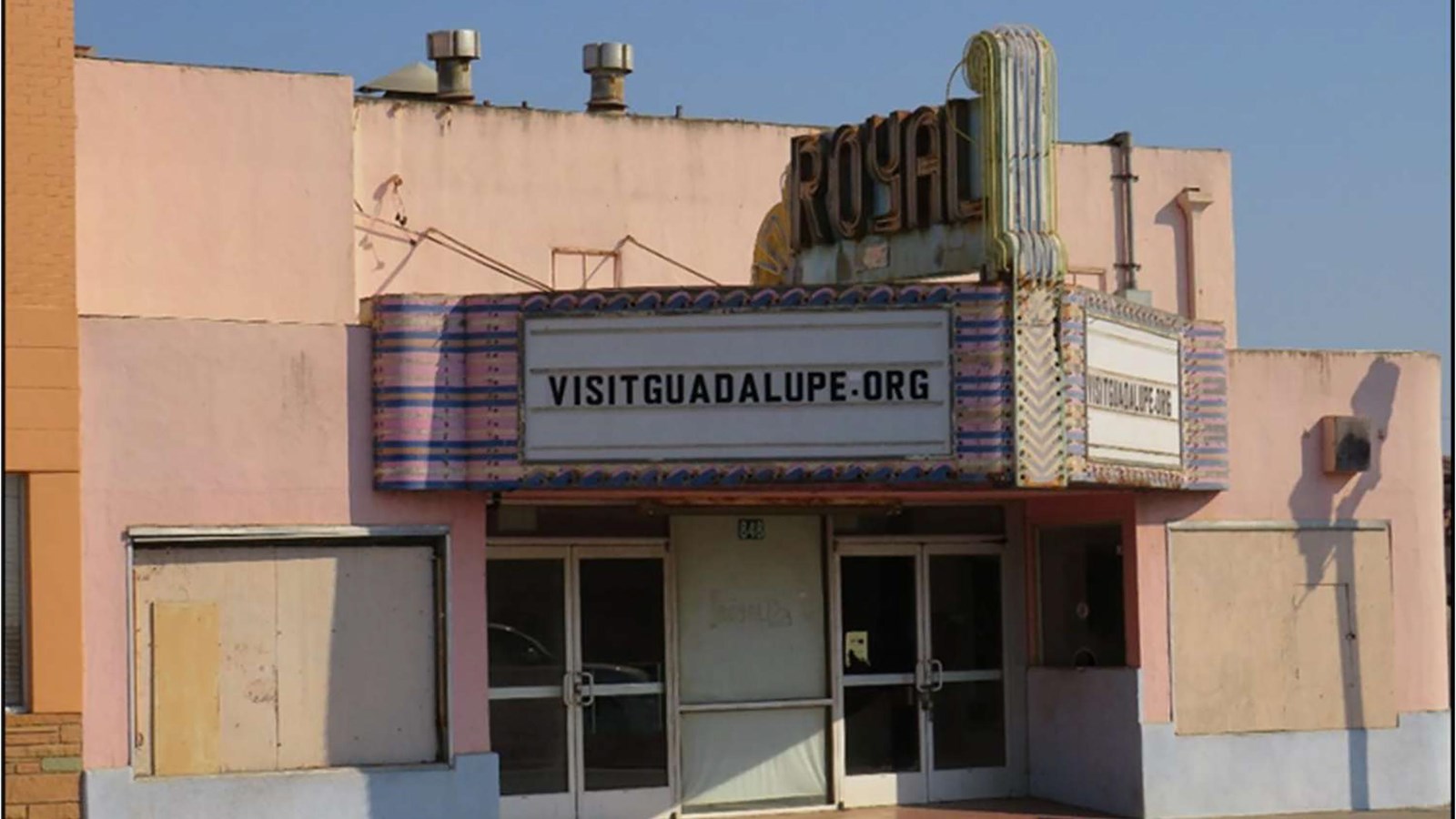
Movie Theater & Cinema Roofing.
Movie Theater & Cinema Roofing support in New Orleans, LA, with documented inspections, written scopes, and practical roof planning for commercial properties.
What this roof work solves
Movie Theater & Cinema Roofing in New Orleans should begin with a documented roof walk. The first job is to identify active water entry, drainage problems, membrane condition, edge details, rooftop equipment conflicts, and weather exposure before a price or schedule is discussed.
For commercial owners, the useful answer is rarely a one-line recommendation. The roof file should explain the work area, the reason for the scope, the access constraints, and the next maintenance decision.
How the scope is built
The scope is geared to building use, roof age, visible defects, and the cost difference between immediate repair and longer-range planning. When repair is enough, the work stays focused. When replacement or recover planning is the responsible move, the reasoning is written plainly.
Each finished project should leave behind before-and-after photos, service notes, and follow-up items so the owner keeps a record for future inspections, budgeting, and vendor conversations.
The structural problem under a cinema roof
What sets a movie theater apart from almost every other low-slope building is the span. An auditorium is a column-free room by design, and a multiplex stacks eight, twelve, or sixteen of those rooms under one roof. That means a deck clear-spanning eighty to a hundred and fifty feet over each house, framed on long-bay steel joists or girders that flex under wind load. A fastening pattern borrowed from a strip-retail roof doesn't account for that movement, so we design the attachment to the real deck type, rib depth, and span before any membrane goes down.
The second defining trait is the rooftop equipment field. Each auditorium needs its own air handling to move conditioned air through a tall, densely occupied room; on top of that sit concession exhaust, lobby make-up air, and refrigeration condensers for the food-service coolers. The penetration cluster over a New Orleans multiplex rivals what we see on a hospital wing. Every curb, duct, and conduit run gets individually flashed and logged before the new roof covers it.
Sound is part of the roof spec on a theater in a way it almost never is elsewhere. The deck and insulation buildup over an auditorium contributes to keeping rain noise out during a quiet scene and keeping one auditorium's soundtrack from bleeding into the next. We treat the insulation thickness, deck attachment, and any acoustic deck assembly as a system that has to satisfy both the roofing warranty and the room's sound isolation, rather than swapping in whatever board hits the lowest R-value per dollar.
The metro's screens fall into a few recognizable groups. The Warehouse District and the edge of downtown hold the urban-format and boutique houses tucked into older masonry shells, where the roofs are small but the parapet and party-wall tie-ins are intricate. The Clearview and Veterans corridor in Metairie carries the big suburban stadium-seating multiplexes in purpose-built boxes with the largest deck spans and the densest unit fields. Elmwood and the outer commercial strips hold the discount and second-run houses, many in converted retail or former big-box buildings whose decks were never designed for cinema-scale HVAC.
Those origins drive the scope. A converted big-box theater out by Elmwood often needs structural review and curb reinforcement before it can carry the air handling that stadium seating requires; an older Warehouse District house needs delicate work where its roof meets neighboring buildings; a purpose-built Metairie multiplex needs a wind-rated system engineered for its wide corner and perimeter zones.
Our usual cinema spec is 60- or 80-mil TPO mechanically attached over tapered polyiso, with reinforced walkway pads laid out along the routes service techs use to reach the rooftop units. The taper matters: flat theater decks built decades ago drain through a handful of interior drains that have partly clogged over the years, and a wide deck that ponds after every storm ages from the standing water. New Orleans rainfall regularly tops two to three inches an hour in tropical weather, so we design the slope to the real drain locations rather than trusting the original near-flat design.
Steel deck takes mechanical attachment directly, but we verify rib depth and gauge first: short-rib older deck pulls out at lower values than modern three-inch deck, and the fastener pattern has to reflect that. Concrete decks get an adhered or, where structure allows, a ballasted approach instead. On any reroof we core first to confirm the existing insulation layers, moisture content, and the total weight already in place before recommending a recover versus a full tear-off.
Before we recommend recovering a theater roof rather than tearing it off, we pull moisture cores. A multiplex roof that has cycled through years of New Orleans humidity and a few storm seasons often has saturated insulation hiding under a membrane that still looks serviceable from above, and our climate doesn't let that insulation dry back out between rain events. Recovering over wet board voids the new warranty and lets the moisture keep corroding the steel deck underneath. Where the cores come back wet across a meaningful share of the roof we specify a full tear-off; where it's localized, we write targeted tear-out and core replacement into the scope and document exactly where.
Theaters run from early afternoon into the late night, seven days a week, which makes them effectively a continuous-operation building during the hours that matter. We sequence tear-off and dry-in so every section is watertight before the evening shows start, coordinate any HVAC shutdown needed for curb work with the facility team, and keep staging clear of marquee electrical runs and the entry canopies where evening crowds move. The canopy-to-building joint over those entrances is a notorious chronic leak point, and we re-flash it as a discrete item on every cinema project.
- Attachment design matched to the actual auditorium deck span, rib depth, and gauge
- Individual flashing and documentation for every HVAC curb, duct, and conduit penetration
- Insulation and deck buildup treated as part of the auditorium's acoustic isolation
- Tapered insulation and drain rework sized for heavy tropical rainfall
- Marquee and entry-canopy connections re-flashed as separate scope items
What membrane do you usually put on a multiplex?
60- or 80-mil TPO mechanically attached over tapered polyiso is the common spec. The taper corrects decades of drainage problems, white TPO meets cool-roof code, and we add reinforced walkway pads near the rooftop units to protect the membrane from service traffic.
How do you handle the long auditorium spans?
Questions to settle early
Where is the risk?
Locate leaks, wet-insulation indicators, open seams, weak flashing, and drainage restrictions across the roof.
What can wait?
Separate immediate work from maintenance items that can be tracked for the next service window.
What should be funded?
Build a practical recommendation for repair, coating, recover, or replacement planning.
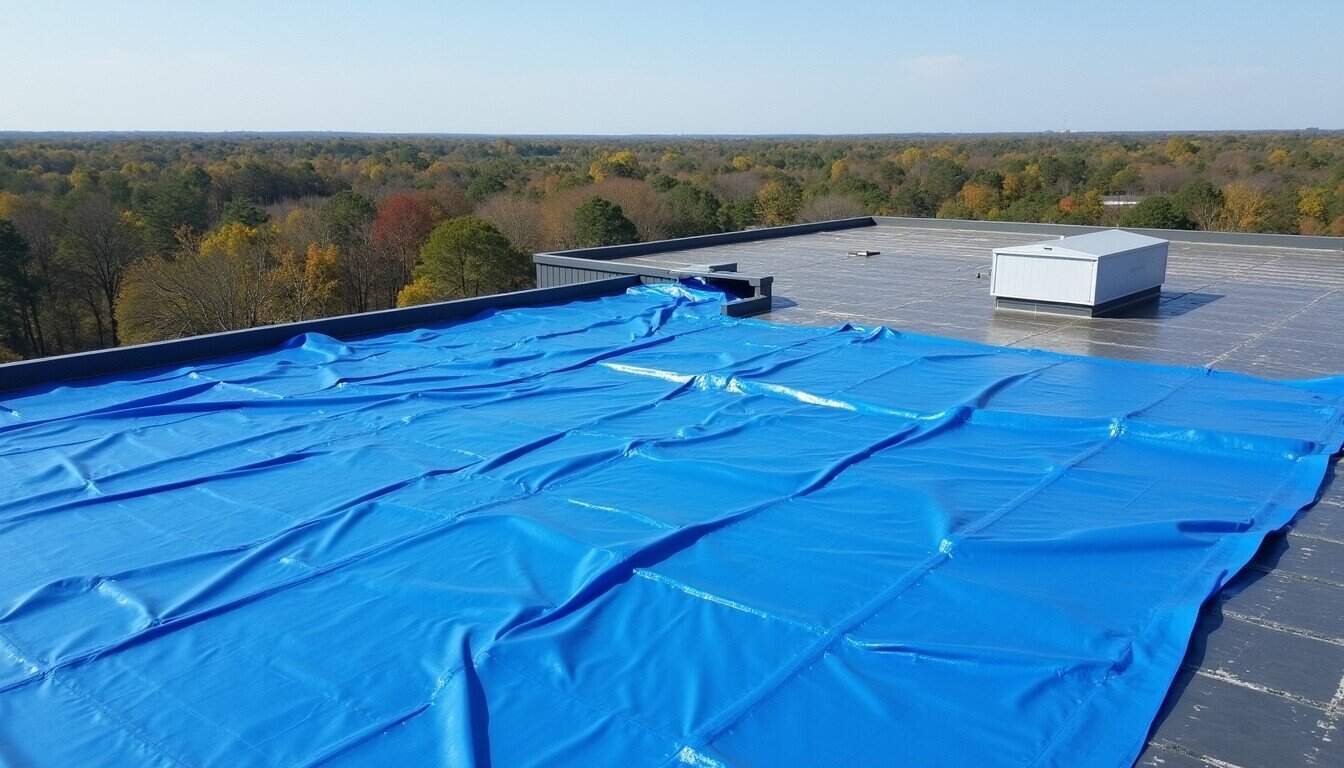
Need help with movie theater & cinema roofing?
Send the building address, known roof age, access notes, and what changed. We will respond with the right next step.