
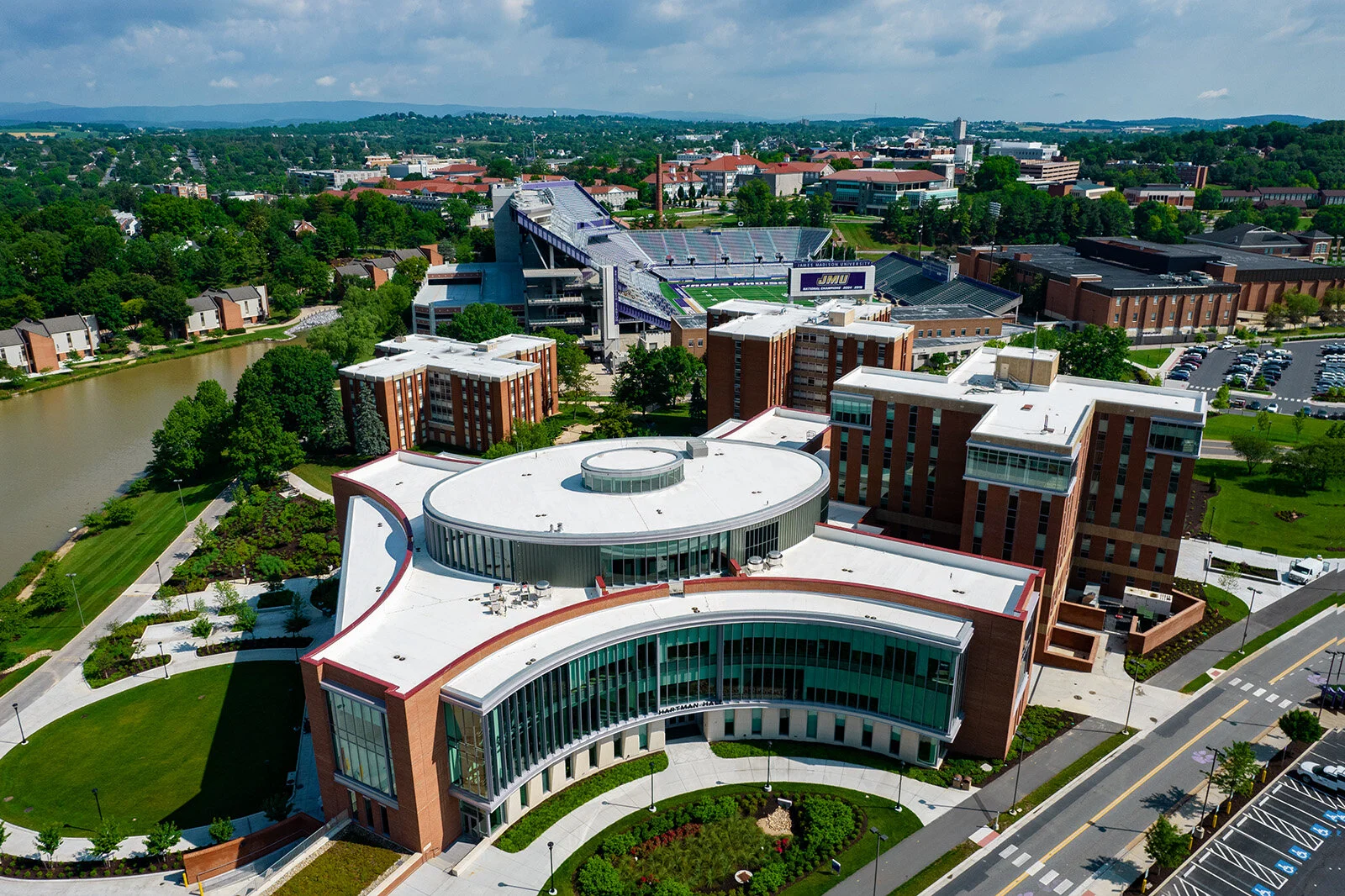
Education Roofing.
Education Roofing support in New Orleans, LA, with documented inspections, written scopes, and practical roof planning for commercial properties.
What this roof work solves
Education Roofing in New Orleans should begin with a documented roof walk. The first job is to identify active water entry, drainage problems, membrane condition, edge details, rooftop equipment conflicts, and weather exposure before a price or schedule is discussed.
For commercial owners, the useful answer is rarely a one-line recommendation. The roof file should explain the work area, the reason for the scope, the access constraints, and the next maintenance decision.
How the scope is built
The scope is matched to operating requirements, building use, roof age, visible defects, and the cost difference between immediate repair and longer-range planning. When repair is enough, the work stays focused. When replacement or recover planning is the responsible move, the reasoning is written plainly.
Each finished project should leave behind before-and-after photos, service notes, and follow-up items so the owner keeps a record for future inspections, budgeting, and vendor conversations.
K-12 school buildings in Orleans, Jefferson, and St. Bernard parishes and the universities that anchor New Orleans's academic corridor are Risk Category III or IV buildings under ASCE 7 Louisiana hurricane-prone-region designation. These buildings require hardened wind-uplift specifications, occupy the narrowest production windows in the calendar, and in some cases carry post-Katrina reconstruction histories that require verification before any recover or replacement scope is finalized.
Tulane University's uptown campus spans more than 100 acres of academic and research buildings that have been continuously expanded and renovated since the university's founding in 1834. Loyola University New Orleans operates its main campus adjacent to Tulane on St. Charles Avenue, with a mix of historic collegiate Gothic buildings and mid-20th-century construction that presents diverse roofing systems across a compact footprint. Xavier University of Louisiana on Palmetto Street operates the only historically Black Catholic university in the United States from a campus of academic buildings substantially rebuilt after Hurricane Katrina. The University of New Orleans anchors the lakefront campus on Lake Pontchartrain's south shore: a lakefront-exposure environment carrying ASCE 7 Exposure D designations for buildings near the lake's edge.
Delgado Community College operates multiple campuses across Orleans Parish, including the main campus on City Park Avenue and satellite locations in Gentilly, Mid-City, and the West Bank. Orleans Parish School Board oversees a mixed inventory of pre-Katrina school buildings, charter school conversions, and post-Katrina new construction that represents one of the most complex public-building roofing inventories in Louisiana. Jefferson Parish Public Schools runs school campuses across Metairie, Kenner, and the West Bank. St. Bernard Parish Schools, which rebuilt its entire school plant after Katrina flooded every school building in the parish to the roofline, operates a generation of construction that is now entering its first major maintenance cycle.
Education buildings carry the most operationally constrained production windows of any commercial building type: summer break is the primary production window for K-12 work, and college campuses add finals-week and graduation-ceremony restrictions that compress the effective work season further. We plan education roofing projects 12 to 18 months in advance for complex scopes and communicate the hurricane-season dry-in protocol explicitly in the pre-construction meeting so that summer production does not leave a school building exposed during the Gulf's most active tropical weather months.
Risk Category III and IV Wind-Uplift for New Orleans School Buildings
Schools with occupancies above 250 persons are classified as Risk Category III under ASCE 7, and schools serving essential community functions after a disaster are classified as Risk Category IV. In Louisiana's hurricane-prone-region designation, these categories carry wind-uplift requirements that were hardened after Hurricane Katrina's 2005 damage to school buildings across Orleans, Jefferson, and St. Bernard parishes: parishes that collectively lost hundreds of school buildings to storm damage in that event. We do not use standard commercial fastener patterns for education building replacements. Every school replacement we scope includes a building-specific wind-uplift calculation using the actual building dimensions, exposure category, deck type, and occupancy classification.
University campus buildings carry their own risk-category complexity. The University of New Orleans's lakefront campus buildings near the lakeshore carry Exposure D designations for proximity to Lake Pontchartrain: the most demanding wind-uplift exposure category in ASCE 7. Tulane's research buildings in the medical district complex carry Risk Category III designations for occupancy. We verify occupancy classification with the university's facilities management team before presenting a wind-uplift specification, because miscategorizing a university building below its actual risk category produces a system that will not perform to its design intent in a hurricane event.
Post-Katrina Construction Verification in St. Bernard and Orleans Parishes
St. Bernard Parish Schools rebuilt its entire school plant between 2007 and 2012 after Katrina flooded every campus in the parish to the roofline. The post-disaster reconstruction program produced a generation of school buildings with new roofing systems installed during the 2006-2012 period: a time when contractor demand in southeast Louisiana significantly exceeded contractor supply, and when some roofing installations were not completed to the post-2005 hardened Louisiana wind-uplift code specifications that the new code amendments required. Before recovering or patching any St. Bernard Parish school building from this construction wave, we assess the existing attachment method, verify the fastener density against current Risk Category III requirements, and document any gap between the existing installation and current code.
Orleans Parish school buildings from the post-Katrina construction wave present the same verification need. The OPSB oversaw a major school reconstruction program that produced significant new construction and renovation between 2007 and 2015. Charter school operators who took over existing school buildings during this period may be operating from roofing systems installed by the prior operator or by FEMA-funded reconstruction contractors, and the documentation trail for these installations is often incomplete. We always ask for the existing roof installation documentation before scoping a recover or replacement on any post-Katrina school building, and we assess the attachment if documentation is unavailable.
Summer Production Windows and University Campus Coordination
K-12 school roofing in Orleans, Jefferson, and St. Bernard parishes runs in the summer break window: mid-June through early August for most NOLA-area school calendars, with extended windows on year-round campuses. This overlap with the peak of hurricane season means that same-day dry-in discipline is not a best practice for summer school projects: it is a contractual requirement we build into every K-12 scope. No section of a school roof is left open overnight from June through November. Production sequences are compressed into manageable daily sections that can be dry-in-complete before crew departure.
University campus projects operate on a longer calendar but carry finals-period and commencement-ceremony restrictions that create blackout windows in April and May. Tulane's commencement is typically held in May on the uptown campus: large outdoor ceremonies where crane placement and roof material staging cannot conflict with guest access or graduation photography. We submit the production and staging plan to the university's facilities management office well in advance of any campus project to identify the specific blackout windows and adjust the production sequence.
Can you complete a school roof replacement during summer break?
Questions to settle early
Where is the risk?
Locate leaks, wet-insulation indicators, open seams, weak flashing, and drainage restrictions across the roof.
What can wait?
Separate immediate work from maintenance items that can be tracked for the next service window.
What should be funded?
Build a practical recommendation for repair, coating, recover, or replacement planning.
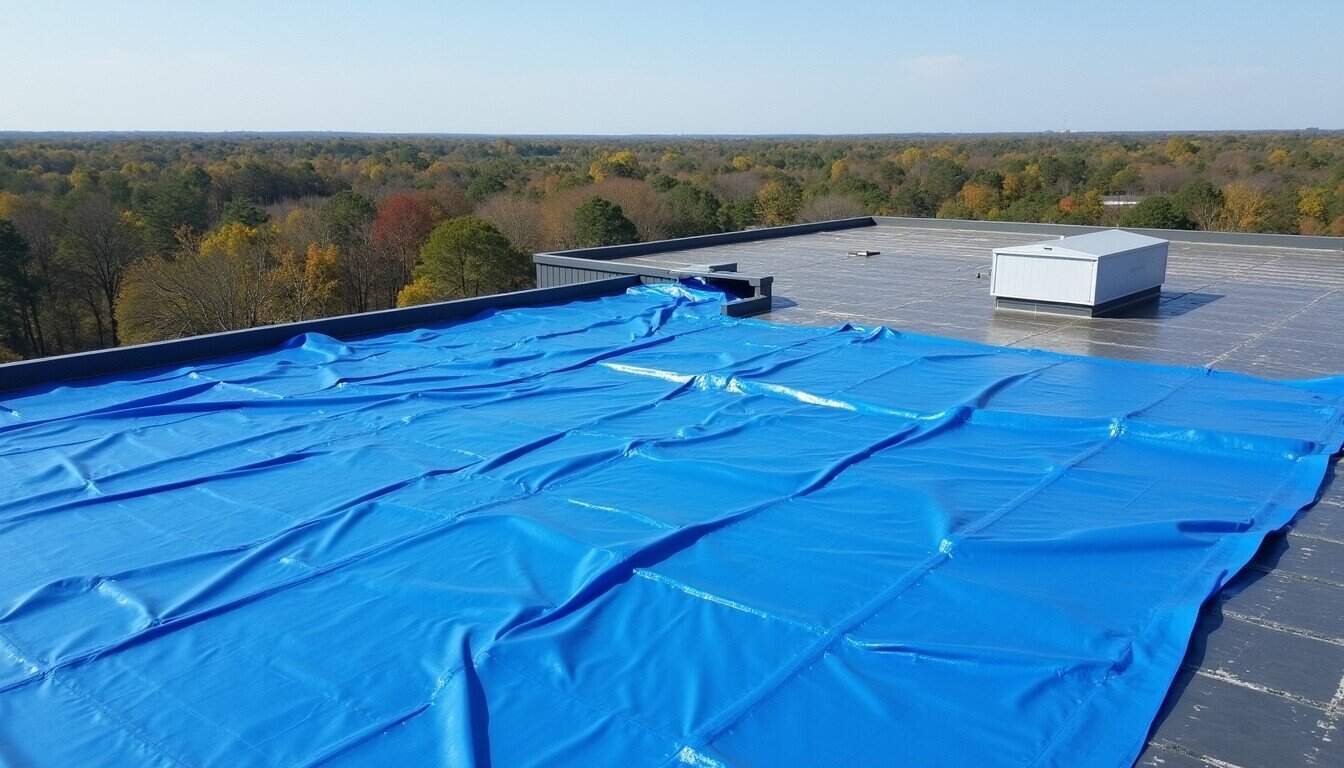
Need help with education roofing?
Send the building address, known roof age, access notes, and what changed. We will respond with the right next step.