
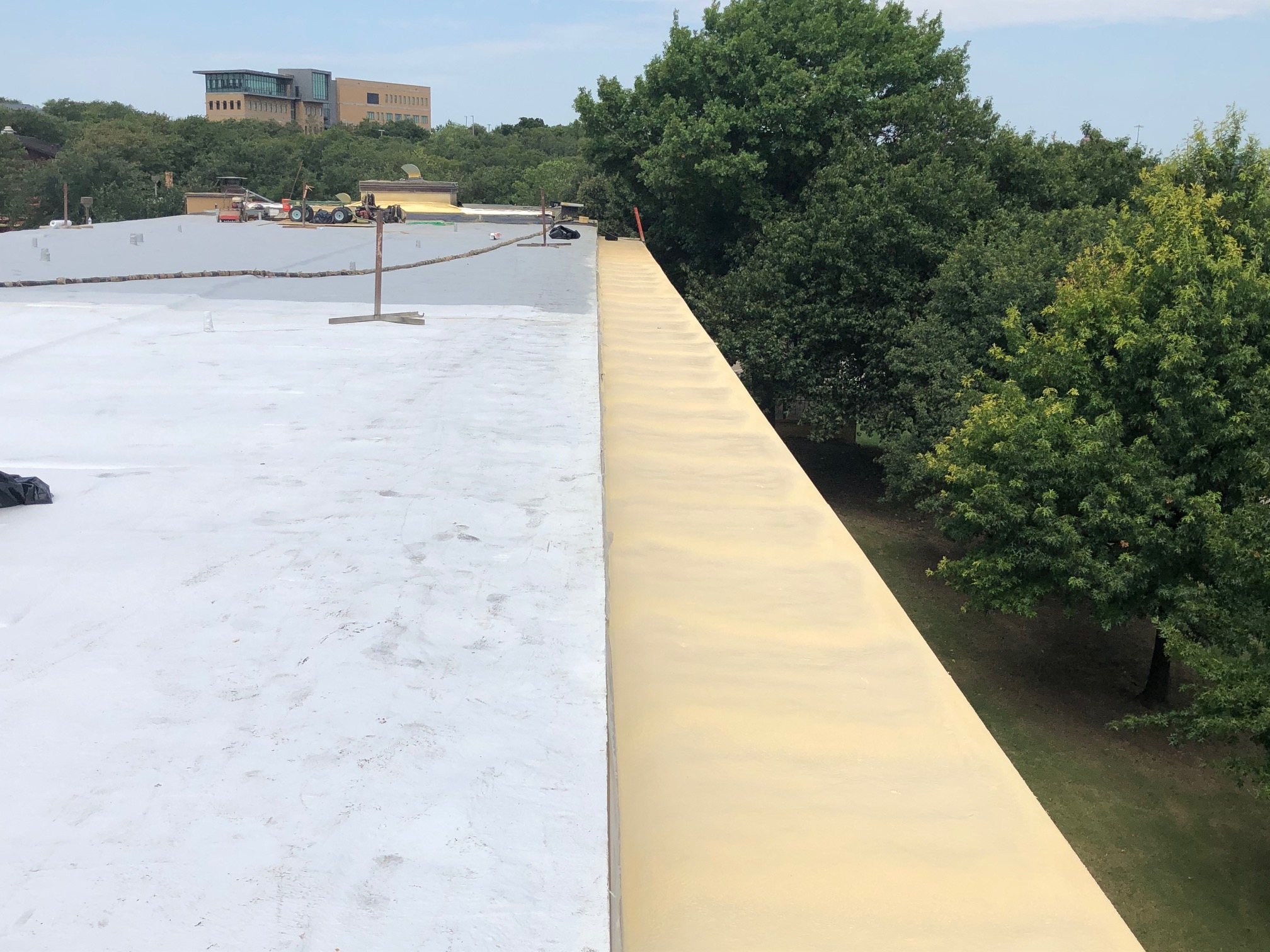
Wind & Storm Damage Roof Insurance Claims in New Orleans.
Wind & Storm Damage Roof Insurance Claims support in New Orleans, LA — documented inspections for straight-line wind, tropical remnant wind, and severe thunderstorm damage.
What this roof work solves
Wind & Storm Damage Roof Insurance Claims in New Orleans should begin with a documented roof walk. The first job is to identify the wind-caused failure signature, log any hail present in the same event, and separate both from pre-existing membrane wear before a claim is filed.
For commercial owners, the useful answer is rarely a one-line recommendation. The roof file should explain the work area, the reason for the scope, the access constraints, and the next maintenance decision.
How the scope is built
The scope is built from roof age, membrane type, the specific storm's wind field, and a zone-by-zone damage survey. When repair covers the damage, the scope stays repair-focused. When the damage points toward full replacement, that reasoning is written into the file plainly, with the evidence attached.
Each finished project should leave behind before-and-after photos, service notes, and follow-up items so the owner keeps a record for future inspections, budgeting, and vendor conversations.
Straight-line wind and tropical remnant claims are common, not rare
Not every wind claim in New Orleans traces back to a named hurricane. Severe thunderstorm outflow, squall lines ahead of Gulf tropical systems, and the remnant wind field of storms that made landfall well outside Louisiana all produce commercial roof damage often enough that a straight-line wind claim is a routine part of the year here, not a once-a-decade event. Insurers evaluate these under standard wind provisions rather than a named-storm deductible, which changes both the math and the documentation standard the adjuster expects.
Separating wind damage from age and prior storms
The hardest question on a wind claim is rarely whether the roof is damaged — it is whether this event caused it. A roof that has weathered several storm seasons in New Orleans’s humidity and salt air often shows layered wear: an older seam that was already marginal, a coating that was already chalking, a flashing detail that was already loose. We document the event-specific failure signature — the sharp tear versus the gradual delamination, the fresh granule loss versus the long-worn membrane — and we are equally clear about what does not look storm-caused, because an inflated claim damages the owner’s credibility with the carrier on every future claim.
Hail folded into the same wind events
Severe thunderstorms that produce damaging straight-line wind in this market frequently carry hail in the same cell, and the two perils often need to be documented together on one claim rather than treated as separate events. Where hail impact is present alongside wind damage, we log both damage types by zone and note where they overlap, since an adjuster evaluating a mixed wind-and-hail loss needs the distinction as much as the documentation itself. Our dedicated hail-focused inspection covers stone size, impact density, and membrane-specific hail signatures in more depth for buildings where hail is the primary damage driver.
Getting the adjuster the file before the roof walk
We send the photo log, zone diagram, and preliminary scope to the adjuster ahead of the scheduled roof walk whenever the owner or public adjuster wants that. Adjusters covering a busy post-storm season in Louisiana are managing a high volume of files, and an adjuster who arrives already familiar with the documented failure points moves through the inspection faster and asks more targeted questions instead of starting from zero.
We’re your roofing contractor, not a public adjuster — we document and substantiate the roof damage so you and your adjuster work from an accurate scope, and your public adjuster or attorney handles the negotiation.
Is straight-line wind damage covered the same as hurricane damage?
Usually under a different deductible and evaluation standard — most Louisiana commercial policies apply a standard wind or all-perils deductible to straight-line wind and thunderstorm events rather than the named-storm deductible. Confirm the specific terms with your agent or adjuster.
How do you prove the damage happened during a specific storm and not gradually?
We cross-reference the event date against public storm records, photograph the specific failure signature associated with sudden wind or hail impact, and note the roof’s general condition separately so the adjuster can see both the event damage and the baseline condition side by side.
Do you inspect for both wind and hail on the same visit?
Yes, when a storm cell produced both, we document both in the same roof walk and note where the damage overlaps rather than running two separate inspections.
Can a partial roof repair from a smaller wind claim create problems later?
It can, if the repair does not account for code-required upgrades or leaves adjacent aged material unaddressed. We frame the scope to cover what the repair actually needs, not only the smallest patch that closes the claim.
What if the storm damage isn’t visible from the ground?
Most of it isn’t. Seam separation, membrane uplift, and flashing displacement are roof-level findings that a ground-level look never catches, which is exactly why a documented roof walk matters before a claim is filed.
Questions to settle early
Where is the risk?
Locate leaks, wet-insulation indicators, open seams, weak flashing, and drainage restrictions across the roof.
What can wait?
Separate immediate work from maintenance items that can be tracked for the next service window.
What should be funded?
Build a practical recommendation for repair, coating, recover, or replacement planning.
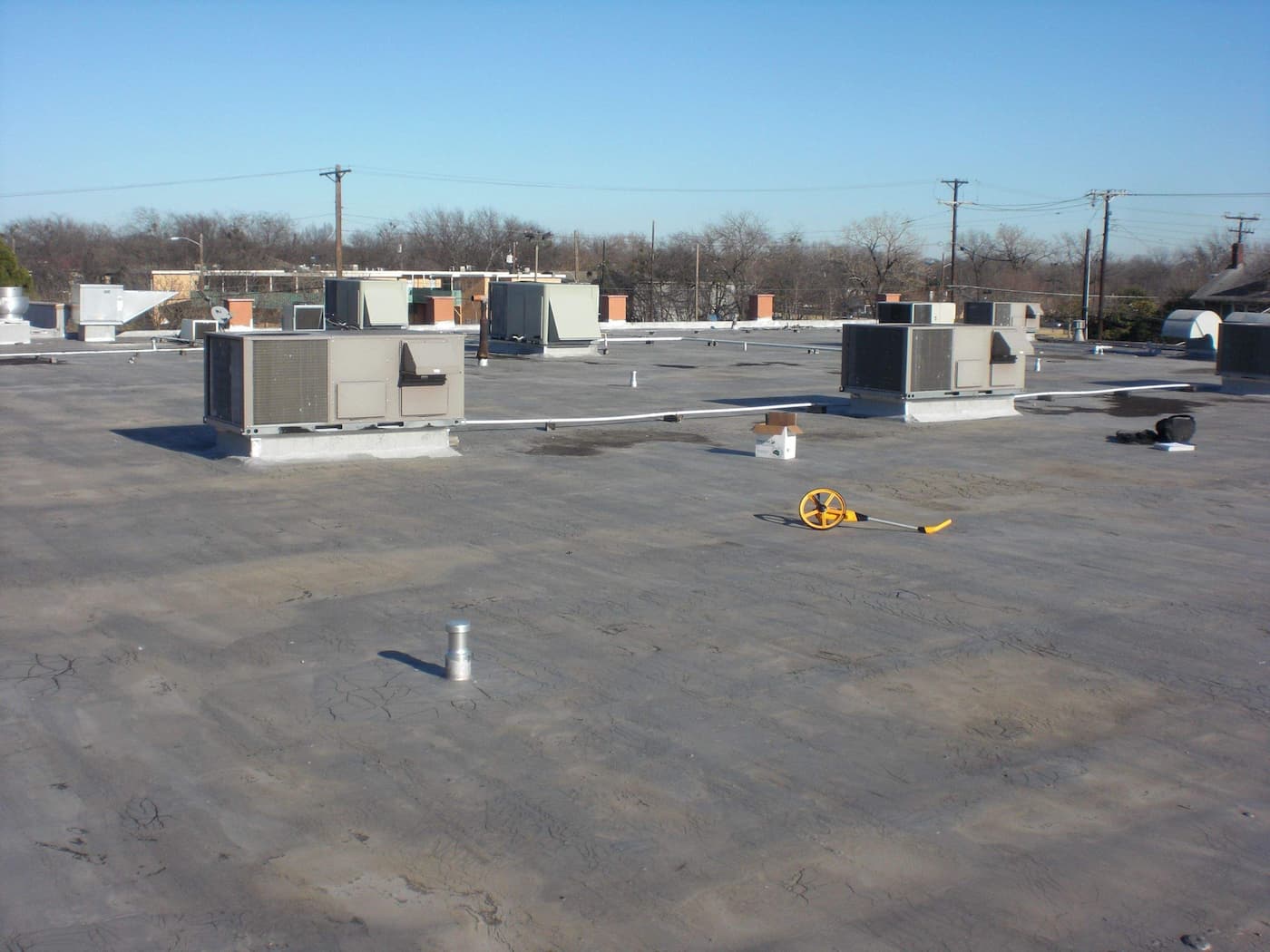
Need help with a wind or storm damage roof insurance claim?
Send the building address, known roof age, access notes, and what changed. We will respond with the right next step.