
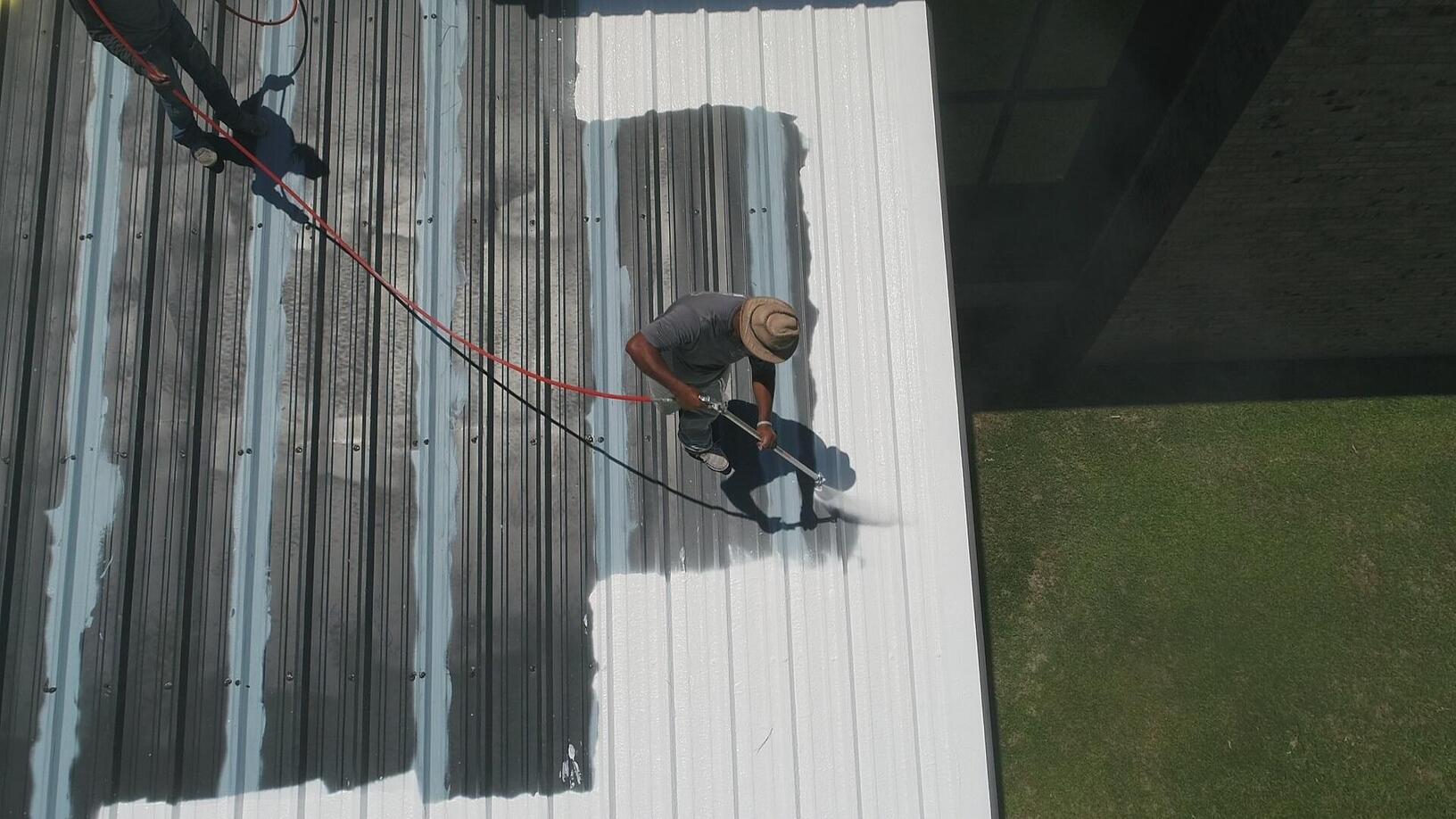
Commercial Roof Insurance Claim Assistance in New Orleans.
Commercial Roof Insurance Claim Assistance in New Orleans, LA — documented roof inspections, adjuster walkthroughs, and complete-scope reporting so your claim reflects the full extent of storm damage.
What this roof work solves
Commercial Roof Insurance Claim Assistance in New Orleans should begin with a documented roof walk, not a phone call to the insurance company. The first job is to identify the storm-caused failure points, separate them from pre-existing wear, and put both into a written record before an adjuster ever sets foot on the roof.
For commercial owners, the useful answer is rarely a one-line recommendation. The roof file should explain the work area, the reason for the scope, the access constraints, and the next maintenance decision.
How the scope is built
The scope is built from roof age, membrane type, storm event data, and a zone-by-zone damage survey — not from a single-page estimate. When repair covers the damage, the scope stays repair-focused. When the damage or the building's roof-replacement timeline points toward full replacement, that reasoning is written into the file plainly, with the evidence attached.
Each finished project should leave behind before-and-after photos, service notes, and follow-up items so the owner keeps a record for future inspections, budgeting, and vendor conversations.
Every claim-support file we produce leaves the owner with photos, measurements, a written scope, and a record the adjuster, the public adjuster, or the owner's attorney can act on without a second roof visit.
We’re your roofing contractor, not a public adjuster
That distinction matters and we say it plainly on every claim we support. We inspect the roof, document the damage, and write a scope that captures the true extent of what the storm did — from the obvious puncture to the wind-lifted seam that will leak in six months if it goes unrepaired. We do not file the claim, we do not negotiate with your insurer, and we do not represent you in a coverage dispute. Your public adjuster or attorney handles that side; we hand them a roof record they can use.
What a commercial roof claim actually requires
A Louisiana commercial wind or hail claim moves on documentation, not description. “The roof was damaged in the storm” does not advance a claim. A dated roof walk with photos keyed to specific zones, a description of each failure mode, and a clear line between what the storm caused and what was already there — that is what an adjuster can act on. We build that record on every claim-support inspection, whether the triggering event was a named storm, a straight-line wind event, or a hailstorm that moved through ahead of a Gulf system.
Meeting the adjuster on the roof
We walk the roof with the insurance adjuster whenever the building owner asks us to. Having the contractor who documented the damage present for the adjuster’s inspection means fewer follow-up questions and fewer gaps between what was photographed and what the adjuster sees in person. We point to the same zones, reference the same photo log, and answer technical questions about membrane condition, flashing details, and rooftop equipment that a general property adjuster may not ask about on their own.
Building the complete scope, not only the visible damage
Framing a complete scope means accounting for what building code and manufacturer specification actually require once repair work starts, not only patching the hole. Ordinance-and-code upgrades, matching requirements on a membrane that is no longer manufactured in the same color or profile, tear-off and disposal of storm-saturated insulation, and the flashing and drainage work a partial repair would otherwise leave exposed to the next storm. Leaving any of that out of the scope does not make the claim smaller — it makes the eventual repair incomplete.
When a claim comes back denied or underpaid
A denial or a low scope is often a documentation gap, not a coverage problem. We re-inspect, add the photo and measurement detail the first submission was missing, and produce a supplemental report your public adjuster or attorney can submit for reconsideration. We are not the ones who argue the coverage position with the carrier — that is public-adjuster or legal work — but we make sure the roof condition itself is never the weak point in your case.
Does insurance cover commercial roof replacement?
It depends on the cause of loss and your policy’s specific wind, hail, and named-storm provisions. Sudden storm damage is generally treated differently than wear-related deterioration. We do not interpret policy language — that is a conversation for your agent, adjuster, or attorney — but we can tell you plainly whether what we find on the roof looks storm-caused or age-related, and document it either way.
How soon after a storm should we get a roof inspection?
As soon as it is safe to get on the roof. Louisiana’s humidity means water intrusion compounds fast, and pre-adjuster documentation loses value the longer it waits — conditions change, secondary damage from rain accumulates, and it becomes harder to separate what the original event caused from what happened afterward.
Will you negotiate with my insurance company?
No. We document the roof condition and produce a scope your public adjuster, attorney, or you can use in the claim process. We are a roofing contractor, not a licensed public adjuster, and we do not represent building owners in coverage negotiations.
What if my claim gets denied?
We re-inspect and expand the documentation — additional photos, moisture readings, and a more detailed zone map — so the party handling your claim has a stronger record to work from on appeal or reconsideration.
Do you work with public adjusters and attorneys directly?
Yes. We coordinate roof access, share the photo log and scope directly with your public adjuster or attorney, and are available for a second roof walk if their review raises a question our first report did not answer.
Questions to settle early
Where is the risk?
Locate leaks, wet-insulation indicators, open seams, weak flashing, and drainage restrictions across the roof.
What can wait?
Separate immediate work from maintenance items that can be tracked for the next service window.
What should be funded?
Build a practical recommendation for repair, coating, recover, or replacement planning.
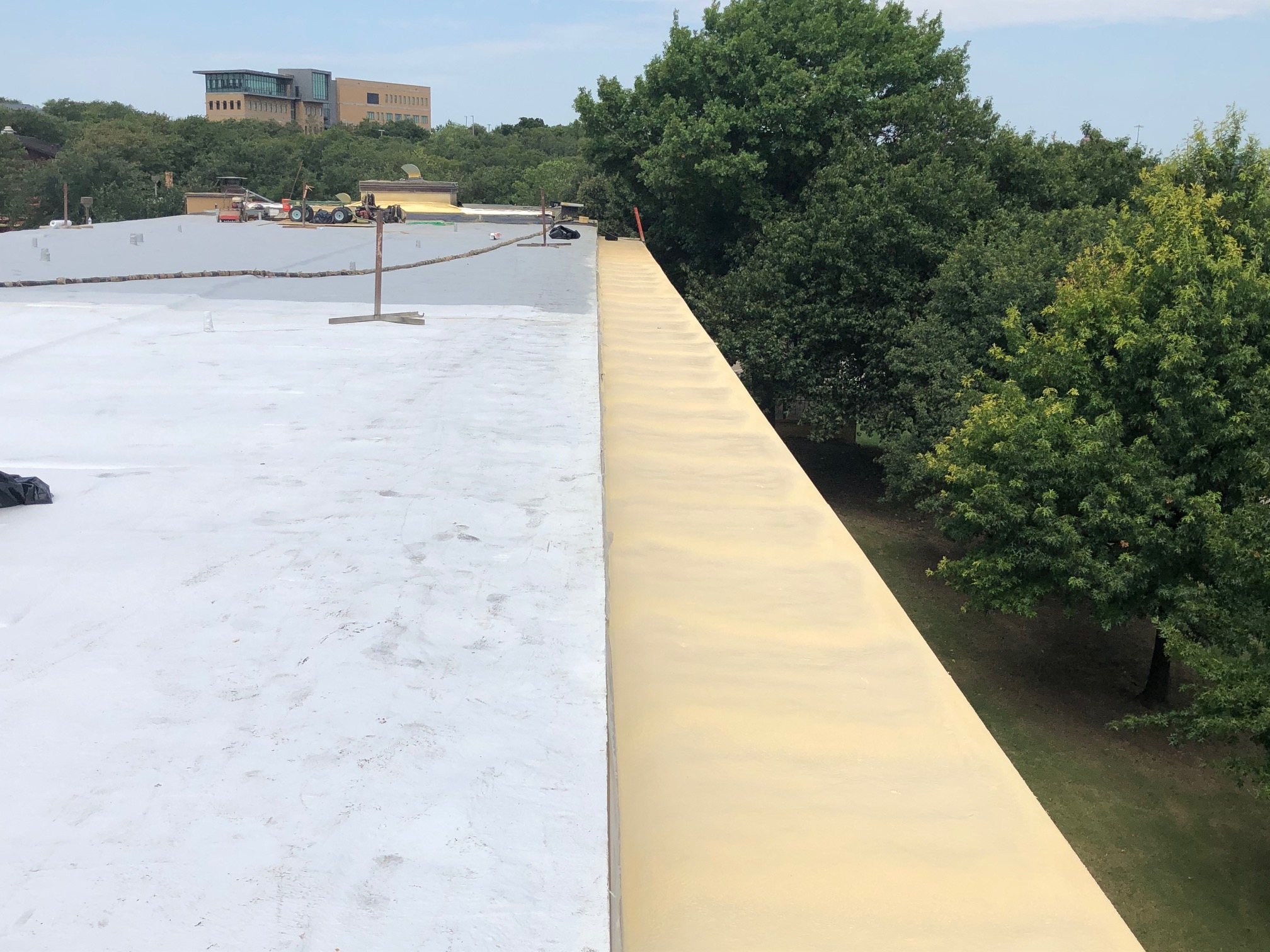
Need help documenting a commercial roof insurance claim?
Send the building address, known roof age, access notes, and what changed. We will respond with the right next step.