
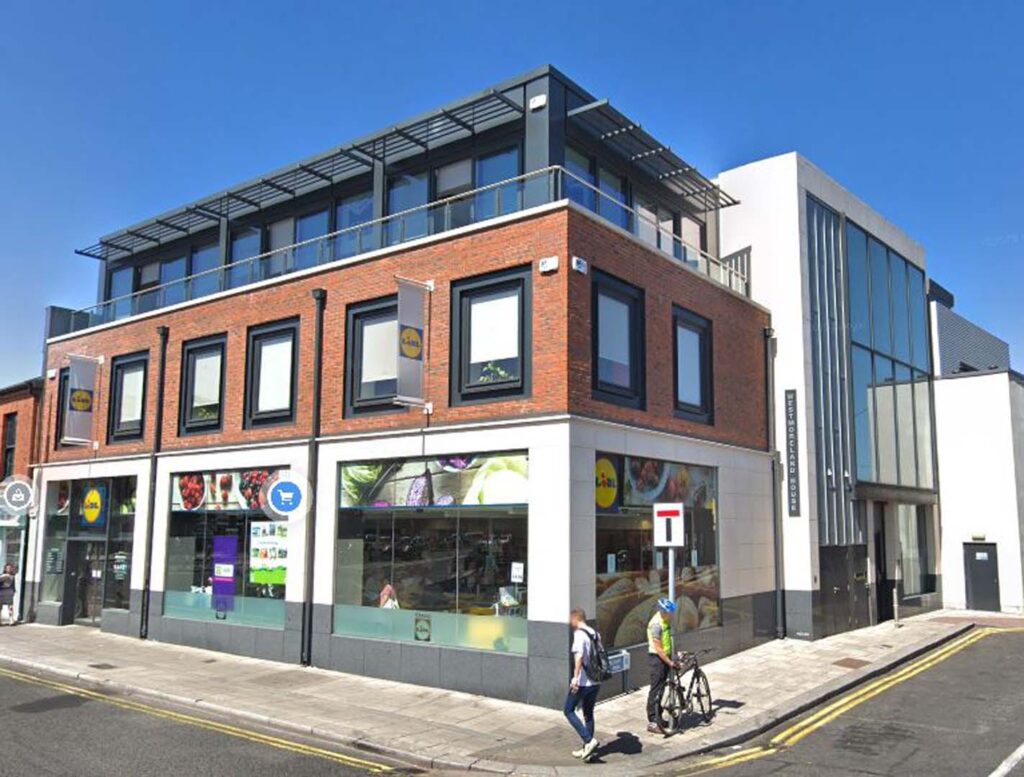
Roof Service Agreements, Portfolio-Wide.
Every building you manage on one service agreement: two documented rooftop visits a year, one point of contact, and a clean file for each roof.
One agreement, one contact, every roof accounted for
If you manage more than one commercial building, you already know where roof problems actually come from: not the roofs themselves, but the gaps between vendors. One contractor handled the office in Metairie two years ago, somebody else patched the warehouse after the last named storm, and nobody at all has looked at the strip center since the tenant complained. A roof service agreement closes those gaps by putting every New Orleans-area roof you carry on one schedule, with one company accountable and one person to call.
The agreement itself is simple: two scheduled rooftop service visits per year on every covered building, documented with photos, plus priority emergency response for the whole portfolio when weather hits. You stop juggling roofing vendors building by building and start managing one relationship with a firm that knows every assembly you own.
Visits timed to the Gulf calendar
We schedule the two visits where they do the most good here: one in late spring before hurricane season opens, and one in the fall once it closes. The pre-season visit is about readiness — drains, scuppers, and gutters cleared so a tropical downpour drains instead of ponding, loose edge metal and lifted laps secured before wind can work on them, and rooftop equipment flashings sealed. The post-season visit catches what the storms and the New Orleans summer actually did, while repairs are still small and the evidence is still fresh.
At each visit the crew walks the entire roof, clears debris from every drain and scupper, probes seams and flashings, reseals terminations that show movement, and repairs small punctures on the spot. Anything bigger gets photographed, mapped to the roof plan, and priced as a separate recommendation you can approve or hold. You get a per-building photo report after every visit, and a portfolio roll-up that ranks which roofs are sound, which need work funded this year, and which are approaching bigger decisions.
That roll-up is where portfolio owners get real leverage. Budget season stops being guesswork because you are holding condition history on every New Orleans roof you answer for, not one vendor invoice and a stack of unknowns. Manufacturer warranty files stay current because the documented maintenance most warranties expect is actually happening — and provable. And when a storm does hit the metro, agreement buildings get walked first, by a crew already carrying your roof plans and access notes.
Questions portfolio and property managers ask
Can one agreement cover buildings in different parishes?
Yes. Most of the portfolios we service spread across Orleans, Jefferson, and St. Tammany — an office in the CBD, flex space in Elmwood, retail in Kenner, a warehouse in New Orleans East. One agreement covers all of it, and the visit routes are planned so travel never becomes your problem.
Do all the buildings have to be on the same schedule?
No. Visits are sequenced by building priority and tenant sensitivity — medical and food-service roofs typically get walked first in each cycle — but everything lands inside the same reporting window, so your portfolio summary reflects the same season across every roof.
What happens when a visit turns up something bigger than maintenance?
It goes in the report with photos, a location on the roof plan, and a standalone price. Agreement pricing covers the scheduled visits and the small repairs done during them; larger work is always quoted separately and approved by you before anyone mobilizes. The agreement never obligates you to a repair.
How is a multi-building agreement priced?
Per roof, based on area, system type, condition, and access — then rolled into one annual number you can put in the budget and one invoice cadence your accounting team will not have to chase. Adding or dropping a building mid-term adjusts the price, not the paperwork.
Questions to settle early
Which roofs first?
Rank the portfolio by roof age, tenant sensitivity, and leak history so the first service cycle starts where the risk is.
Who gets the reports?
Decide whether visit reports go to one manager, each building contact, or ownership — the file structure is set once and kept.
What sits outside?
Agree up front which buildings need more than servicing — a roof already failing belongs in a repair or replacement plan, not an agreement.
Put the whole portfolio under one service agreement.
Send your building list — addresses, rough roof ages, and who manages each one. We will come back with a per-building agreement quote and a first-cycle schedule.