
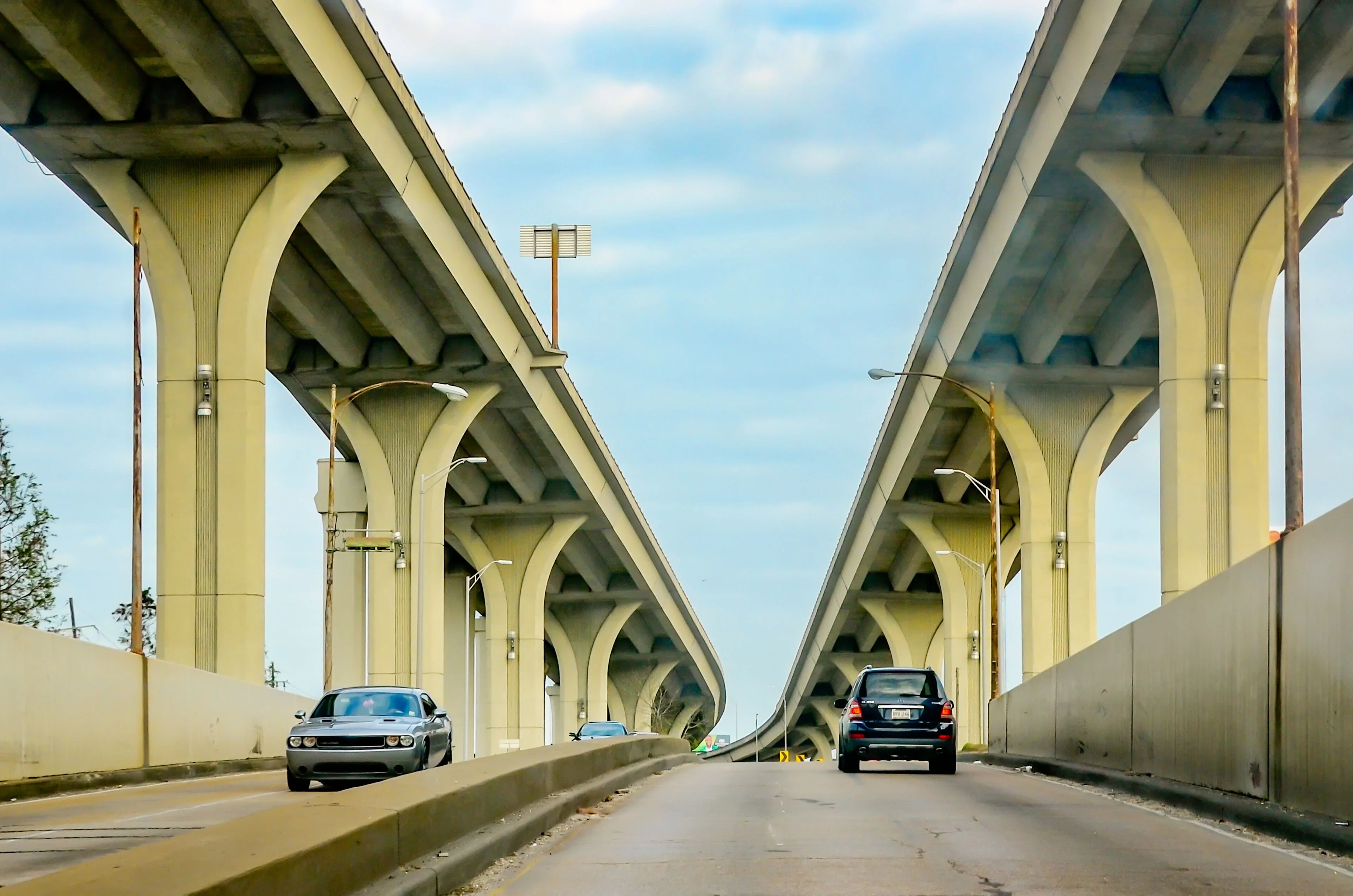
Commercial Roofers in Harvey.
For commercial properties in Harvey., the defensible choice between repair, restoration, and replacement starts with roof-system condition, moisture findings, drainage performance, and remaining service life. Commercial Roofers New Orleans provides commercial roof inspections, repairs, maintenance, storm response, and replacement planning in Harvey, LA.
What this roof work solves
Commercial Roofing in Harvey in New Orleans should begin with a documented roof walk. The first job is to identify active water entry, drainage problems, membrane condition, edge details, rooftop equipment conflicts, and weather exposure before a price or schedule is discussed.
For commercial owners, the useful answer is rarely a one-line recommendation. The roof file should explain the work area, the reason for the scope, the access constraints, and the next maintenance decision.
How the scope is built
Harvey roof work is planned around site access, traffic, tenant schedules, drainage, and the weather exposure that shapes that corridor. When repair is enough, the work stays focused. When replacement or recover planning is the responsible move, the reasoning is written plainly.
Each finished project should leave behind before-and-after photos, service notes, and follow-up items so the owner keeps a record for future inspections, budgeting, and vendor conversations.
The Harvey Canal is one of the most economically significant waterways in southeastern Louisiana: a navigable industrial corridor connecting the Mississippi River to the broader West Bank commercial and industrial zone. The commercial and industrial buildings that line the Harvey Canal access roads carry a roofing profile unlike standard retail or office construction: oil-field service equipment yards with large open-sided metal buildings, maritime supply and repair facilities with corrosive saltwater-adjacent environments, industrial fabrication shops with chemical exposure from welding and surface-treatment operations, and distribution operations serving the offshore oil and gas industry.
Metal building roofing in this industrial corridor requires standing-seam or structural-panel systems rather than membrane systems, and the transition details between metal-building sections, equipment penetrations for ventilation and overhead crane systems, and the seaming and coating condition on aging Galvalume panels are the primary inspection and maintenance focus for Harvey Canal industrial clients.
Harvey Canal Industrial Corridor Roofing
Oil-field service and maritime supply buildings: Large-footprint metal buildings with Galvalume standing-seam or R-panel roofing systems, often 15 to 30 years old and carrying deferred maintenance on panel seams, ridge caps, and penetration flashing. Saltwater-adjacent environments accelerate panel corrosion and sealant deterioration faster than inland industrial sites. We assess panel condition, coating integrity, and seam condition as the first step in any Harvey Canal industrial inspection, and we specify elastomeric coating systems for metal building rehabilitation where panel replacement is not yet warranted.
Chemical and fabrication exposure facilities: Buildings with welding operations, surface-treatment chemicals, or petroleum-based process vapors require membrane or coating systems with documented resistance to the specific chemical exposure present. We assess the chemical environment before specifying any coating or membrane system for Harvey Canal industrial buildings: a standard EPDM or TPO installation is not appropriate for every building in this corridor.
Large clear-span equipment storage: Open-sided or partially open structures for equipment yard storage in the oil-field service sector require attention to the transition between open and enclosed sections, where wind-driven rain infiltration is the primary maintenance issue. Flashing at these transitions, gutter systems for clear-span drainage, and the condition of panel fasteners at the roof perimeter are the inspection focus points.
Westgate Area and Expressway Retail Corridor
Westgate Shopping Center and the surrounding commercial cluster on Behrman Highway carries the standard West Bank retail profile, anchor grocery, pharmacy, restaurants, personal services, on a building stock that runs from the late 1970s through the 1990s. The oldest buildings on this campus are entering second full replacement cycles. Post-Ida damage assessment documented perimeter failures on the northwest-facing corners of several buildings in this zone, consistent with the open-terrain wind fetch along the Expressway from the northwest quadrant during the storm.
The Westbank Expressway retail frontage between the Harvey Canal and the Terrytown line carries big-box and strip retail buildings from the 1990s and early 2000s. These are broadly in first replacement cycles or late maintenance. Several buildings along this frontage were reroofed under post-Katrina insurance scopes that did not incorporate the post-2005 Louisiana wind-uplift amendments: we flag these for wind-uplift attachment audits during initial inspections.
Do you work on metal building roofing systems in the Harvey Canal industrial corridor?
Yes. Metal building roofing, standing-seam, R-panel, and structural panel systems, is a significant part of our West Bank commercial work. Harvey Canal industrial clients get assessments that focus on panel condition, coating integrity, ridge and valley seam condition, penetration flashing, and the corrosion profile specific to saltwater-adjacent or chemical-exposure environments. We specify elastomeric coating rehabilitation where the panel substrate is sound, and panel replacement where the Galvalume is past its coating life.
What is the response time for Harvey emergency commercial roof calls?
Harvey is approximately CBD office via the Crescent City Connection and Westbank Expressway. Same-day emergency response is standard for all Harvey commercial and industrial buildings, including the Harvey Canal corridor. After-hours response is available for buildings on our maintenance contracts.
What permit jurisdiction covers Harvey commercial buildings?
Questions to settle early
Where is the risk?
Locate leaks, wet-insulation indicators, open seams, weak flashing, and drainage restrictions across the roof.
What can wait?
Separate immediate work from maintenance items that can be tracked for the next service window.
What should be funded?
Build a practical recommendation for repair, coating, recover, or replacement planning.
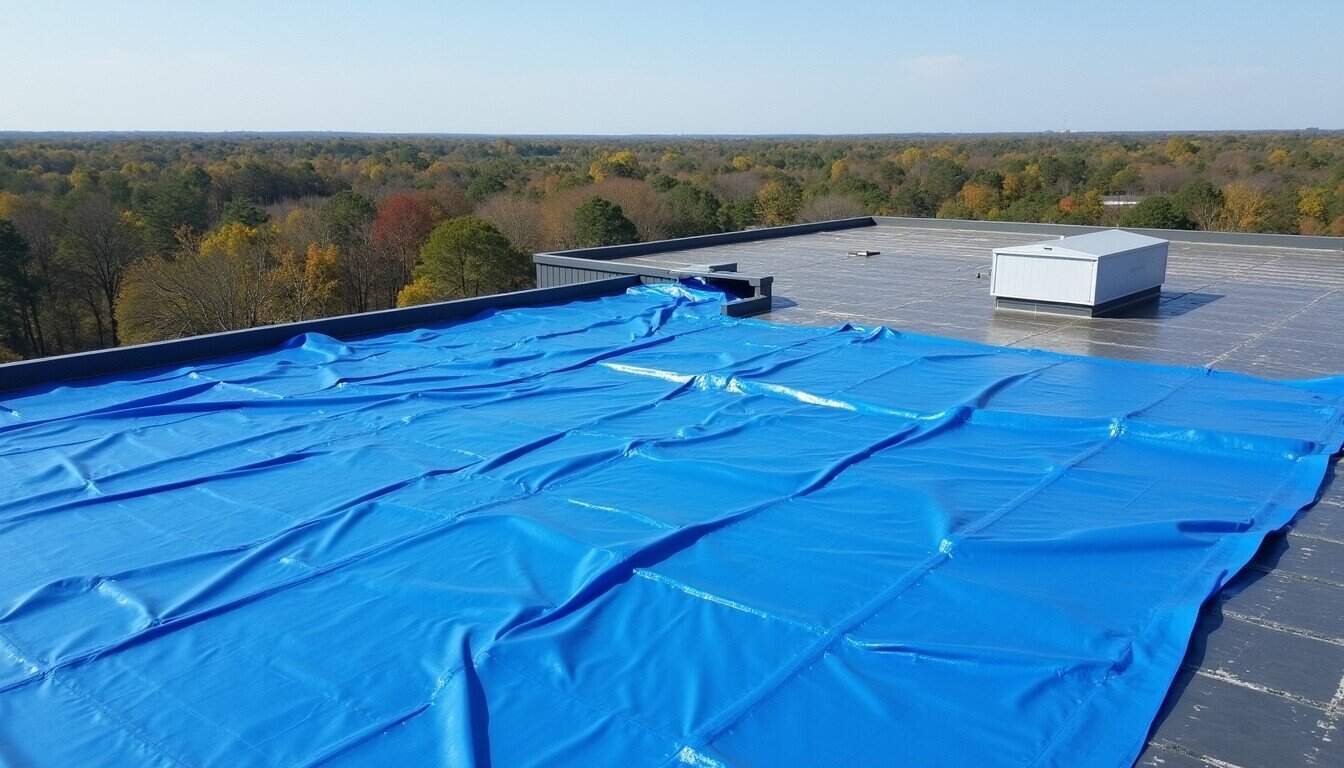
Need help with commercial roofing in harvey?
Send the building address, known roof age, access notes, and what changed. We will respond with the right next step.