
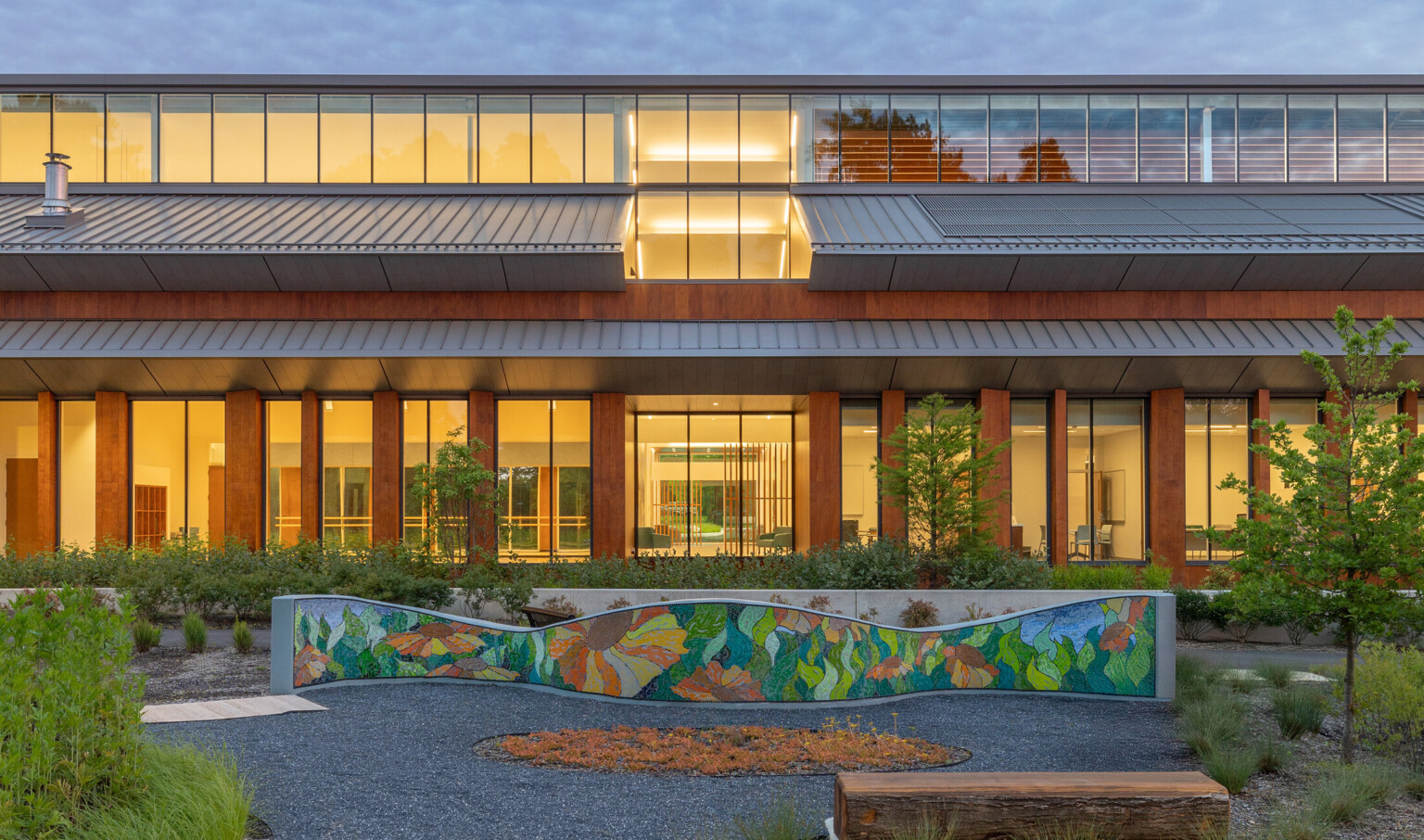
Sports & Recreation Roofing.
Sports & Recreation Roofing support in New Orleans, LA, with documented inspections, written scopes, and practical roof planning for commercial properties.
What this roof work solves
Sports & Recreation Roofing in New Orleans should begin with a documented roof walk. The first job is to identify active water entry, drainage problems, membrane condition, edge details, rooftop equipment conflicts, and weather exposure before a price or schedule is discussed.
For commercial owners, the useful answer is rarely a one-line recommendation. The roof file should explain the work area, the reason for the scope, the access constraints, and the next maintenance decision.
How the scope is built
The scope is geared to building use, roof age, visible defects, and the cost difference between immediate repair and longer-range planning. When repair is enough, the work stays focused. When replacement or recover planning is the responsible move, the reasoning is written plainly.
Each finished project should leave behind before-and-after photos, service notes, and follow-up items so the owner keeps a record for future inspections, budgeting, and vendor conversations.
Big roofs over open rooms, in a city that programs them nonstop
Recreation buildings are defined by what is missing inside them: columns. A gymnasium, an indoor court complex, a field house, or a natatorium puts a long clear-span roof deck over a wide open room, and that geometry drives how the roof behaves. Long spans flex and deflect, they carry heavy rooftop HVAC sized for high-occupancy crowds, and they generate large perimeter and corner wind pressures that a coastal city makes much worse. On top of all that, these buildings run evenings, weekends, and holidays, exactly when most contractors want to be off the roof. We build the roofing approach around the structure and the schedule together, because on a rec facility you cannot separate the two.
We work across the full range of this category in the metro: municipal and NORD recreation centers, school and university gymnasiums, the YMCA and private athletic clubs, indoor sports complexes, and aquatic centers and natatoriums. They range from older masonry gyms in the neighborhoods to newer field houses out in Metairie and on the West Bank, and each carries its own mix of span, humidity, and occupancy that shapes the specification.
Long-span decks change the fastening math
A steel deck spanning eighty feet between joists does not behave like the same deck at thirty feet. Deflection under wind and live load is greater, and fastener pull-out values differ, so the attachment design has to be calculated to the actual deck and span rather than pulled from a generic table. We evaluate the structural deck, confirm the attachment, and specify a membrane system sized to the building. For most large-span gym and field-house roofs in the area we use a reinforced 60- or 80-mil membrane over polyiso, with the attachment engineered to the real geometry. Where the building's wind exposure or insurance requirements push harder, a fully adhered assembly removes reliance on a fastener field at the high-pressure perimeter and corners.
That wind exposure is not theoretical here. Storms have peeled membranes off large local sports and assembly roofs at the corners and edges, where uplift concentrates. We engineer perimeter and corner enhancement into every long-span recreation roof and confirm rooftop equipment is anchored to ride out a named storm rather than become airborne.
Natatoriums are the hardest roof in the category
An indoor pool is the most aggressive environment a recreation roof has to survive, and the reason is chemistry. Chlorine reacting with organics off swimmers releases chloramine vapor, which is corrosive to ordinary flashing metals, fasteners, and some adhesives, and it rises straight into the roof assembly. Combine that with the obvious humidity of an indoor pool and a hot-humid outdoor climate, and a natatorium roof faces both severe corrosion and severe condensation risk at once. We specify membranes and adhesives confirmed for pool-hall service, use corrosion-resistant flashing metals such as stainless steel in chloramine-exposed areas, and pay close attention to where the vapor retarder sits and how the space is exhausted, so moist corrosive air is carried out of the building rather than condensing inside the deck above the pool. We will not put a generic gym specification over a natatorium.
Humidity control on every high-occupancy space
Even without a pool, recreation buildings generate real interior humidity from dense athletic activity, showers, and locker rooms. In New Orleans the vapor drive runs inward for much of the year, the opposite of what a cold-climate assembly is designed for, so a system specified for the wrong climate will trap moisture in the insulation. Before we recover or replace, we run a moisture survey of the existing assembly, because building a new roof over wet or misspecified insulation just compounds the problem under a fresh membrane. We position the vapor control layer for our climate and verify the existing assembly is dry, or we tear off and reset it correctly.
Scheduling around games, classes, and public programs
These buildings rarely sit empty. We schedule against the facility's programming calendar, concentrate gym and field-house work in weekday daytime hours, and confirm each section is dried in before evening leagues, classes, or events begin. For aquatic centers we coordinate any exhaust or HVAC penetration work with pool operations so air exchange over the pool hall is not disrupted during open hours. Public facilities add procurement structure, with formal bidding, bonding, and prevailing-wage requirements on many municipal, NORD, and school projects, and we carry the bonds and insurance to work that way. Through all of it, every open section of deck is dried in the same day, because an exposed clear-span roof over a full gym is not something to gamble on a Gulf afternoon.
How do you keep pool humidity from destroying the roof over a natatorium?
We treat the natatorium as its own specification. Chloramine-resistant membranes and adhesives, corrosion-resistant flashing metals like stainless steel in exposed areas, a vapor retarder positioned for our hot-humid climate, and coordination with the exhaust design so corrosive moist air leaves the building rather than condensing in the deck. A standard gym system does not survive a pool hall.
Questions to settle early
Where is the risk?
Locate leaks, wet-insulation indicators, open seams, weak flashing, and drainage restrictions across the roof.
What can wait?
Separate immediate work from maintenance items that can be tracked for the next service window.
What should be funded?
Build a practical recommendation for repair, coating, recover, or replacement planning.
Need help with sports & recreation roofing?
Send the building address, known roof age, access notes, and what changed. We will respond with the right next step.