
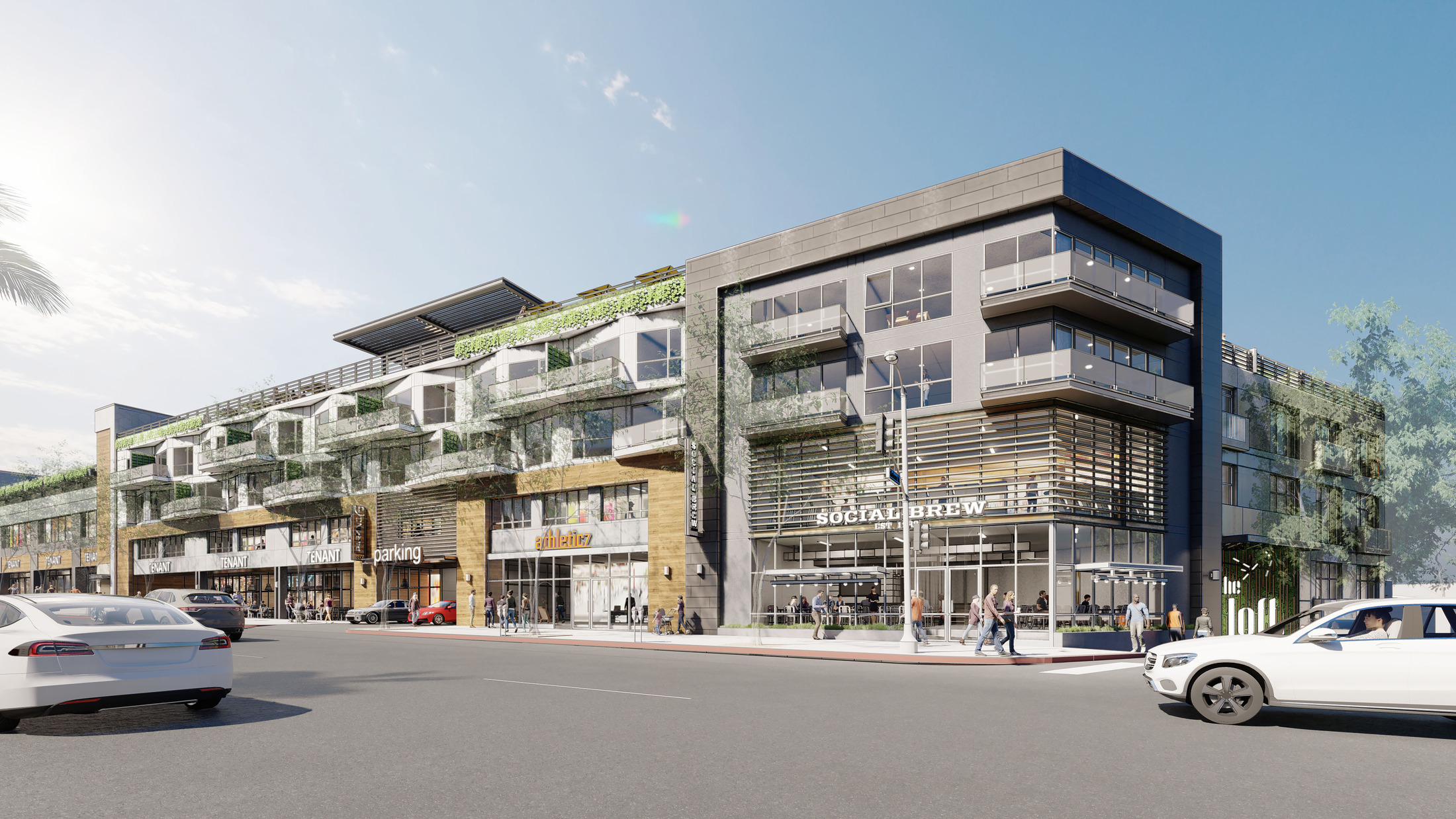
Mixed-Use Development Roofing.
Mixed-Use Development Roofing support in New Orleans, LA, with documented inspections, written scopes, and practical roof planning for commercial properties.
What this roof work solves
Mixed-Use Development Roofing in New Orleans should begin with a documented roof walk. The first job is to identify active water entry, drainage problems, membrane condition, edge details, rooftop equipment conflicts, and weather exposure before a price or schedule is discussed.
For commercial owners, the useful answer is rarely a one-line recommendation. The roof file should explain the work area, the reason for the scope, the access constraints, and the next maintenance decision.
How the scope is built
The scope is geared to building use, roof age, visible defects, and the cost difference between immediate repair and longer-range planning. When repair is enough, the work stays focused. When replacement or recover planning is the responsible move, the reasoning is written plainly.
Each finished project should leave behind before-and-after photos, service notes, and follow-up items so the owner keeps a record for future inspections, budgeting, and vendor conversations.
One building, several roofs, several warranties
Each of those settings carries its own constraints. A converted Warehouse District building has historic brick parapets and existing structure that limit how much load a new roof can add. A South Market tower has a full podium deck and rooftop amenity space. A Mid-City infill building on reclaimed ground often needs moisture investigation of any retained structure. We scope to the building in front of us rather than a generic mixed-use template.
The podium is not a roof: it's waterproofing
We specify traffic-bearing waterproofing assemblies for these decks: the membrane, the drainage composite, the protection course, root barriers under any landscaped area, and the insulation in a configuration coordinated with the structural engineer's load path. The finish surface, pavers, topping slab, or planting, goes on top of a system designed to stay watertight under all of it.
New Orleans rainfall tops two to three inches an hour in tropical weather, and on a podium or amenity deck that water has to move through area drains and scuppers without ever building a head against the membrane. We design the drainage and overflow capacity to that intensity and to the planter and paver layout, because a clogged drain on an occupied deck is a structural water-load problem, not just a puddle. Upper roofs and parapets get attachment and flashing details designed for the hurricane-prone-region uplift pressures the city's exposure category demands.
What's the difference between roofing and waterproofing on a podium deck?
A roofing membrane is built for drainage and light maintenance traffic. A podium membrane has to take structural deflection, root intrusion, constant hydrostatic pressure under planters, and pedestrian or vehicle loads. Putting a standard roofing membrane on a plaza or amenity deck is the wrong spec and usually fails within a few years.
With a detailed phasing plan, dust and noise containment set up before mobilization, coordinated elevator and common-area access through building management, and written daily dry-in. No work area is left open overnight while people are below.
Yes. Amenity decks need a traffic-bearing waterproofing assembly under the finish surface. We install and warranty those in coordination with the deck-finish contractor and the structural engineer of record.
How do you keep the warranties from leaving gaps between roof areas?
We map every plane up front, assign each the right assembly, and coordinate warranty registration and inspection schedules across all of them so coverage is continuous instead of three disconnected certificates.
Can you work on an occupied building during a renovation?
Yes. Occupied mixed-use work is routine for us in the city's core. It takes disciplined daily dry-in, phased sequencing, and coordinated notice through building management to affected tenants.
Questions to settle early
Where is the risk?
Locate leaks, wet-insulation indicators, open seams, weak flashing, and drainage restrictions across the roof.
What can wait?
Separate immediate work from maintenance items that can be tracked for the next service window.
What should be funded?
Build a practical recommendation for repair, coating, recover, or replacement planning.
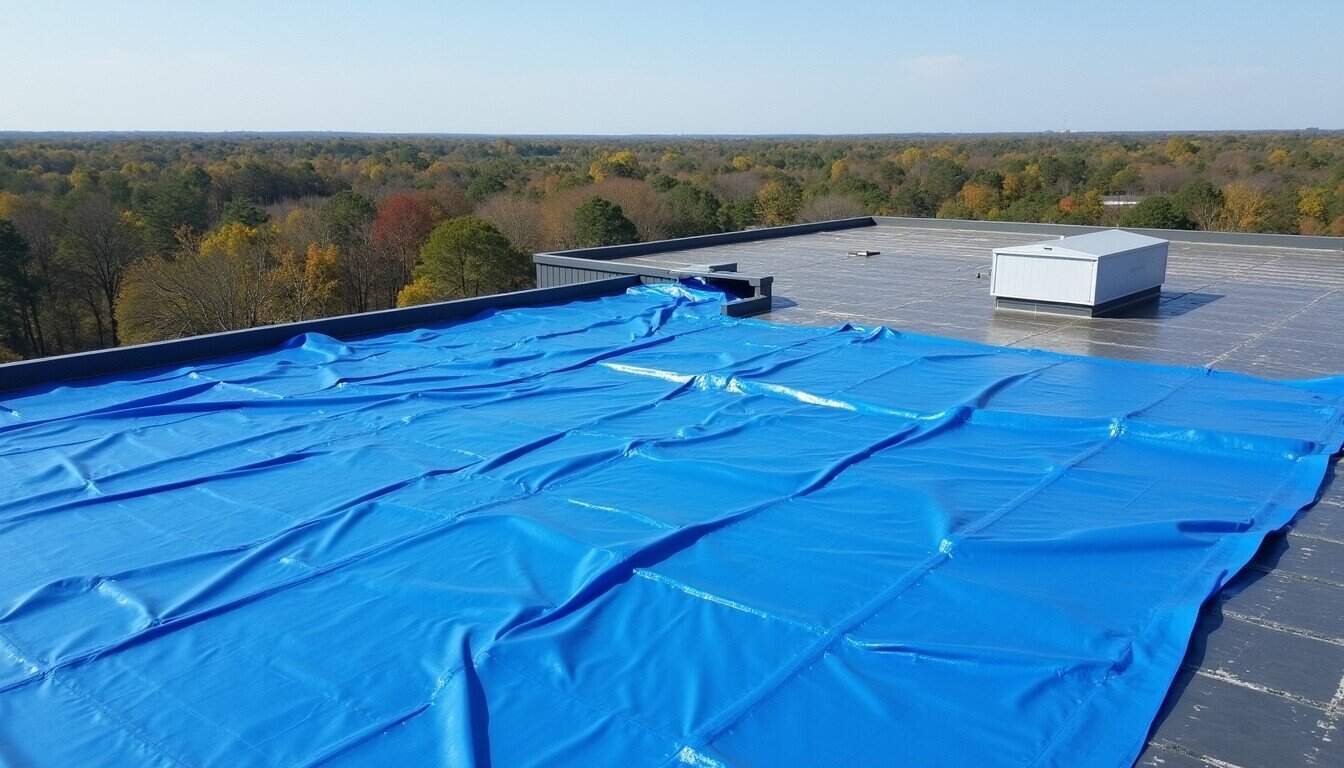
Need help with mixed-use development roofing?
Send the building address, known roof age, access notes, and what changed. We will respond with the right next step.