
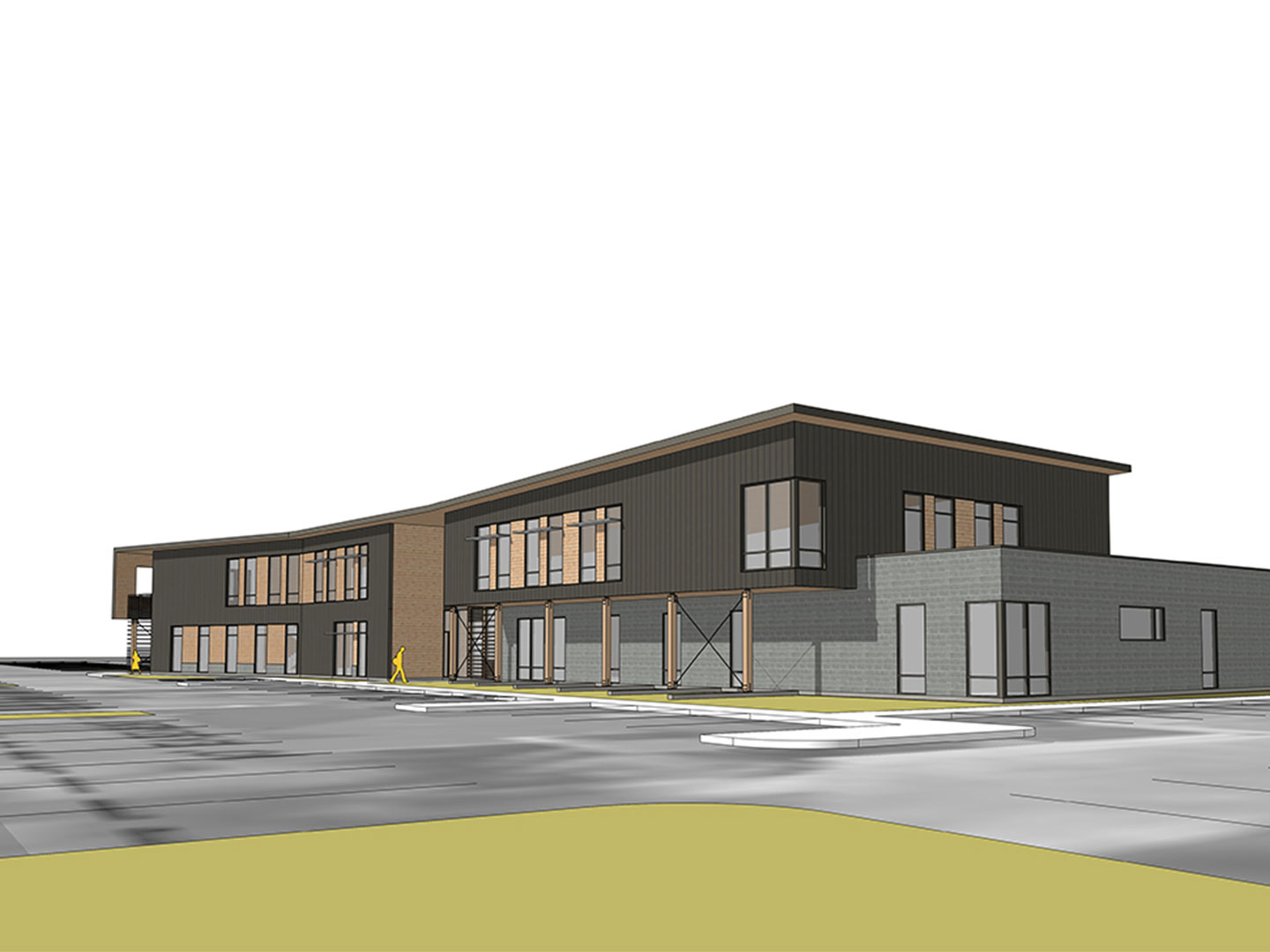
Healthcare Facility Roofing.
Healthcare Facility Roofing support in New Orleans, LA, with documented inspections, written scopes, and practical roof planning for commercial properties.
What this roof work solves
Healthcare Facility Roofing in New Orleans should begin with a documented roof walk. The first job is to identify active water entry, drainage problems, membrane condition, edge details, rooftop equipment conflicts, and weather exposure before a price or schedule is discussed.
For commercial owners, the useful answer is rarely a one-line recommendation. The roof file should explain the work area, the reason for the scope, the access constraints, and the next maintenance decision.
How the scope is built
The scope is based on service scope, building use, roof age, visible defects, and the cost difference between immediate repair and longer-range planning. When repair is enough, the work stays focused. When replacement or recover planning is the responsible move, the reasoning is written plainly.
Each finished project should leave behind before-and-after photos, service notes, and follow-up items so the owner keeps a record for future inspections, budgeting, and vendor conversations.
Commercial roofing for hospitals, medical office buildings, surgical centers, and healthcare facilities throughout New Orleans, LA.
New Orleans occupies a singular position in American healthcare history and continues to operate one of the most complex and distinctive medical environments in the South. University Medical Center New Orleans, rebuilt and opened in 2015 as part of the post-Katrina recovery of the city's public hospital system, is the region's Level I trauma center and the academic teaching hospital for Louisiana State University Health Sciences Center. Tulane Medical Center, Ochsner Medical Center's main Elmwood campus, and the multiple Ochsner Health System locations throughout the metro form the backbone of private hospital capacity. Children's Hospital New Orleans serves the region's pediatric population, and the Veterans Affairs Medical Center on Perdido Street serves the military veteran community. These institutions, and the medical office buildings and ambulatory surgery centers that have developed around them, require roofing systems that can survive one of the most climatically hostile environments for building envelopes in the country.
New Orleans's climate presents a roofing challenge that is simply unlike anywhere else in the continental United States. The city receives an average of 62 inches of rainfall annually, more than any other major American city outside the Pacific Northwest. The subtropical heat and humidity that persist from April through October create a biological growth environment on roofing surfaces that is relentlessly productive: algae, mold, and lichen colonize membrane surfaces within months of installation if surface treatments are not applied and maintained. And then there is the hurricane risk: New Orleans sits below sea level, surrounded by water on three sides, directly in the path of the Gulf of Mexico hurricane corridor. The lessons of Katrina, Gustav, and Ida have been learned at institutional cost, and every healthcare facility in the metro now takes pre-hurricane roofing preparedness with a seriousness that markets further from the coast have not yet been forced to develop.
The post-Katrina rebuild of New Orleans's healthcare infrastructure created an opportunity to specify roofing systems to current performance standards on facilities that had previously operated with aging pre-storm systems. University Medical Center's roofing program, specified during the post-disaster planning process, incorporates wind uplift performance standards appropriate for Louisiana's hurricane exposure zone: wind loads significantly above the minimums that pre-Katrina code required. Ochsner Health's facilities team, which managed multiple campuses through Hurricane Ida's 2021 direct strike on the New Orleans metro, has since updated roofing specifications across its portfolio to incorporate the lessons from storm performance observations made during and after that event. These institutional lessons are shaping current and future roofing specifications throughout the market.
Infection control requirements at New Orleans healthcare facilities are shaped in part by the subtropical biological environment that the city's climate creates. The mold and algae that grow aggressively on New Orleans building surfaces are the same organisms that produce the fungal spores that represent a contamination risk to immunocompromised patients. Roofing tear-off operations at facilities like Children's Hospital New Orleans and the Tulane Medical Center oncology unit must account for the biological load that existing roofing assemblies carry: a load that is substantially higher in New Orleans's climate than in temperate markets. Pre-treatment with biocides, sealed containment from roof to clinical floor below, and HEPA exhaust filtration are all standard ICRA requirements for occupied hospital roofing work in this environment.
The medical office building and ambulatory surgery center market in New Orleans has rebuilt and expanded significantly since Katrina, with new development concentrated in the Metairie and Kenner suburbs along the I-10 corridor, in the Elmwood Business Park healthcare cluster, and in the growing medical facilities east of the University Medical Center campus near the downtown corridor. Ochsner Health's network of ambulatory care centers, the Tulane Medicine outpatient facilities, and the independent specialist practices serving the metro have all invested in clinical real estate that must survive the weather events that New Orleans regularly experiences. Ambulatory surgery centers, where the clinical environments are as demanding as hospital operating rooms, require roofing systems specified to the same hurricane performance standards as acute care hospitals.
Drainage system performance is particularly critical in New Orleans because of the city's topography and the consequences of roofing system failure during tropical events. Buildings in areas of the city that drain poorly during heavy rainfall events cannot afford internal drainage system failures that allow water to accumulate on the roof surface. The combination of hurricane-driven rainfall, Ida produced 10 to 15 inches of rain across the metro in a matter of hours, with any drainage blockage can produce roof loads that challenge structural capacity and create infiltration conditions that are far more severe than any maintenance-induced failure. Pre-hurricane season drain cleaning and inspection, combined with overflow drain capacity verification, is the most important single maintenance activity that New Orleans healthcare facilities can perform.
Assisted living and skilled nursing facilities in the New Orleans area operate in a regulatory environment that was transformed by the Katrina disaster and its aftermath. Louisiana's Department of Health now maintains stricter oversight of long-term care facility emergency preparedness and physical plant conditions, and facilities that show inadequate hurricane preparedness, including roofing systems that are not maintained to current wind performance standards, face regulatory consequences that affect their licensure and Medicare/Medicaid certification. The memory of facilities that failed their residents during Katrina remains present in Louisiana's regulatory culture, and physical plant maintenance including roofing is viewed through that lens by surveyors who understand what happens when buildings fail during a storm.
The heat and humidity that characterize New Orleans summers create specific challenges for roofing system maintenance scheduling that facility managers must account for. Rooftop work in July and August in New Orleans exposes contractors to heat index values that regularly exceed 110 degrees Fahrenheit: conditions that require mandatory work restriction schedules, extensive hydration protocols, and heat stress monitoring that limit productive work windows to early morning hours. Healthcare facility managers who plan major roofing projects should schedule work in the October through April window that avoids both peak hurricane season and peak summer heat, allowing contractors to work safely and effectively while the facility operates normally below. Emergency repair work that falls outside this window requires heat safety plans that are documented and executed rigorously.
Selecting a roofing contractor for New Orleans healthcare work requires verifying Louisiana contractor licensing, documented hurricane-zone experience, ICRA compliance training, and references from recognized healthcare institutions in the metro. The post-Katrina rebuilding period attracted many out-of-state contractors who lacked the market-specific experience to specify systems appropriate for Louisiana's climate and wind exposure zone, and some of those decisions have produced systems that have underperformed during subsequent storm events. Contractors with established track records at UMC, Ochsner, Tulane Medical Center, or Children's Hospital New Orleans bring site-specific climate and operational experience that generic commercial credentials cannot substitute. In a market where the consequences of roofing failure extend from patient safety to regulatory standing to institutional survival, that experience carries real value.
Can you repair a leaking BUR roof on a New Orleans building without full replacement?
Sometimes. If the leak source is an isolated failed flashing at a penetration or parapet, and core cuts show the BUR field plies are otherwise dry and intact: targeted repair is the appropriate scope. If the leak is coming from degraded plies in the roof field, patching the visible wet spot without addressing the ply failure produces another leak nearby within a season or two. In a market where the next tropical rain event may arrive before the targeted repair has time to prove out, that distinction matters more than it does in other markets. We tell you which situation you are in before we propose a scope.
How do you manage gravel removal during BUR tear-off in a dense urban New Orleans location?
Gravel-surfaced BUR tear-off is labor-intensive and generates significant debris volume. On CBD, French Quarter, and Warehouse District buildings with constrained street access, we use rooftop vacuum systems that collect the gravel without staging loose aggregate at the curb. Street-use permits for dumpster placement in the French Quarter and the Downtown Development District require advance coordination with the City of New Orleans: we handle that permitting before mobilization.
Questions to settle early
Where is the risk?
Locate leaks, wet-insulation indicators, open seams, weak flashing, and drainage restrictions across the roof.
What can wait?
Separate immediate work from maintenance items that can be tracked for the next service window.
What should be funded?
Build a practical recommendation for repair, coating, recover, or replacement planning.
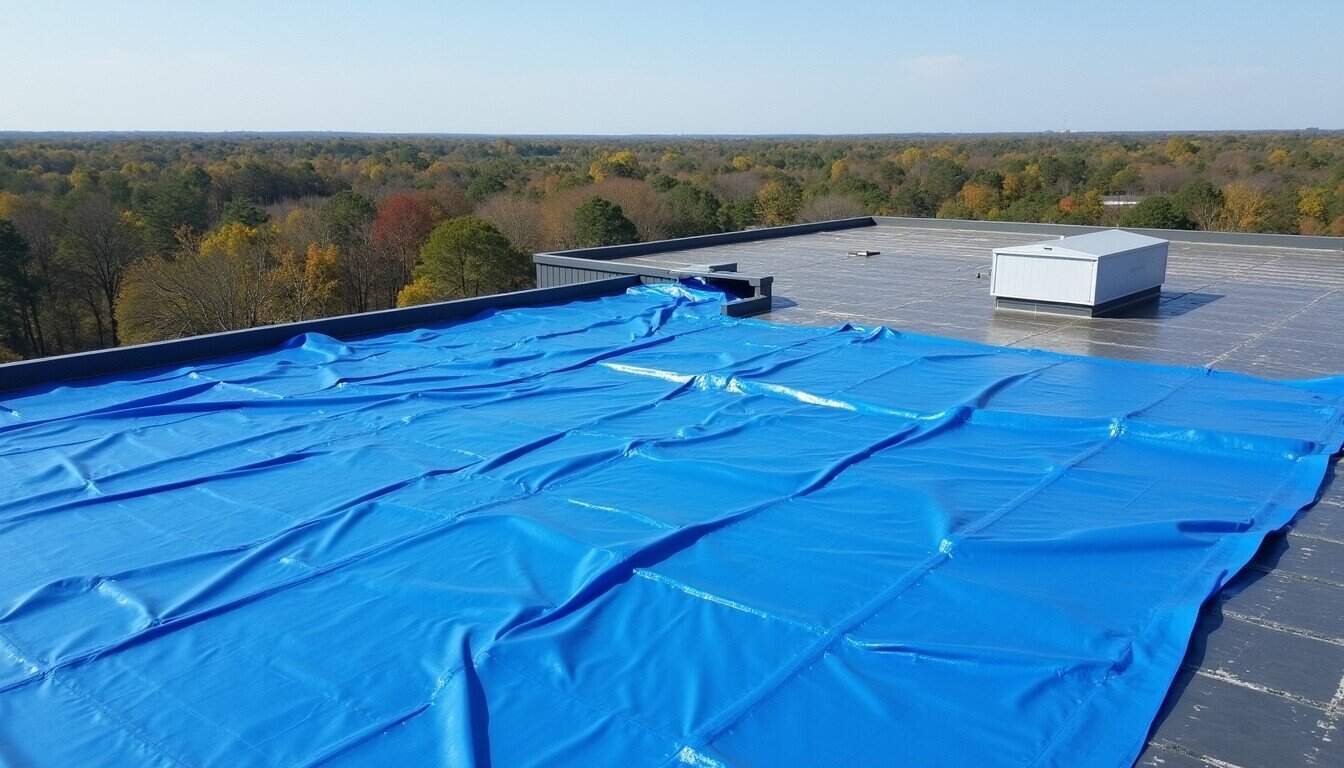
Need help with healthcare facility roofing?
Send the building address, known roof age, access notes, and what changed. We will respond with the right next step.